
US-Mexico Border Tensions Escalate Over New Immigration Policies

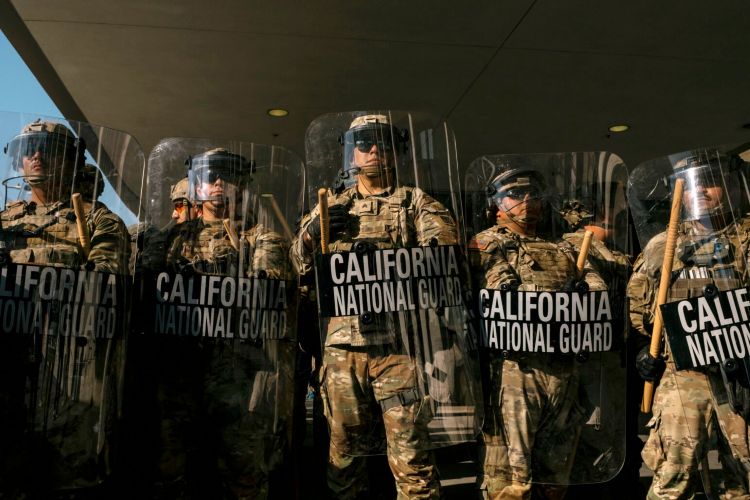
Tensions between the United States and Mexico have intensified following the announcement of stricter US immigration policies and proposed tariffs aimed at curbing illegal border crossings. The policies, introduced by the Trump administration, include expanded deportations and a renewed push for border wall enhancements. Mexico has responded with strong diplomatic protests, warning of economic retaliation and strained bilateral relations. This escalation, reported widely on July 17, underscores the ongoing challenges of managing migration and trade in North America.
Details of the New Policies
The US administration unveiled a comprehensive immigration plan on July 16, 2025, which includes:
-
Mass Deportations: An executive order authorizing the deportation of over 500,000 undocumented migrants in 2025, prioritizing those with criminal records but also targeting recent border crossers.
-
Border Wall Funding: Allocation of USD 2 billion for additional border wall construction and advanced surveillance technologies, including drones and AI-based monitoring systems.
-
Tariff Threats: A proposed 25% tariff on Mexican imports unless Mexico takes stronger measures to prevent migrant flows, echoing policies from the 2018-19 US-Mexico trade disputes.
These measures follow a surge in border crossings, with US Customs and Border Protection reporting over 1.2 million apprehensions of migrants at the southern border in FY25, a 15% increase from FY24. The policies aim to address domestic concerns about border security but have sparked backlash for their economic and humanitarian implications.
Mexico’s Response and Regional Dynamics
Mexico’s Foreign Ministry condemned the US policies as “unilateral and coercive,” arguing that they violate bilateral agreements and harm economic ties. President Claudia Sheinbaum announced plans to review Mexico’s participation in the US-Mexico-Canada Agreement (USMCA) and hinted at retaliatory tariffs on US goods, particularly agricultural exports. Mexican officials have also called for dialogue to address root causes of migration, such as poverty and violence in Central America.
The escalation has drawn attention from regional neighbors. Central American countries, particularly Guatemala and Honduras, have expressed concerns about the impact of deportations on their fragile economies. The Organization of American States (OAS) has called for an emergency meeting to discuss the crisis, urging both nations to prioritize humanitarian considerations.
Global and Domestic Reactions
Internationally, the UN High Commissioner for Refugees (UNHCR) criticized the US policies, warning that mass deportations could overwhelm asylum systems in Mexico and Central America. The European Union, while not directly involved, urged respect for international migration protocols. On X, opinions are polarized, with some US users supporting the hardline stance and others, including human rights advocates, decrying the policies as inhumane.
Domestically, the US is divided. Supporters argue the measures are necessary to deter illegal immigration and protect national security. Critics, including Democratic lawmakers, warn of economic fallout from tariffs, noting that Mexico is the US’s second-largest trading partner, with USD 900 billion in bilateral trade in 2024. A disruption could increase consumer prices for goods like automobiles and produce.
Challenges and Future Outlook
The US-Mexico standoff highlights several challenges:
-
Economic Interdependence: Tariffs could disrupt supply chains, particularly in automotive and agricultural sectors, impacting jobs on both sides of the border.
-
Humanitarian Concerns: Deportations risk exacerbating humanitarian crises in Central America, where returnees face violence and economic instability.
-
Diplomatic Strain: The policies threaten years of progress in US-Mexico cooperation on trade, security, and migration.
Moving forward, analysts suggest a combination of enforcement and diplomacy. Proposals include increased US aid to Central America to address migration drivers and a bilateral task force to manage border flows humanely. Without de-escalation, the risk of a broader trade war looms large.
The US-Mexico border tensions reported on July 17, 2025, reflect the complex interplay of immigration, trade, and geopolitics. The Trump administration’s aggressive policies have sparked a diplomatic crisis, with Mexico vowing to protect its interests. As both nations navigate this high-stakes standoff, a balanced approach prioritizing cooperation and humanitarian considerations is essential to prevent further escalation and foster stability in the region.
Comments are closed.