
US Ends H-1B Visa Lottery, Prioritises Higher-Paid, Higher-Skilled Workers

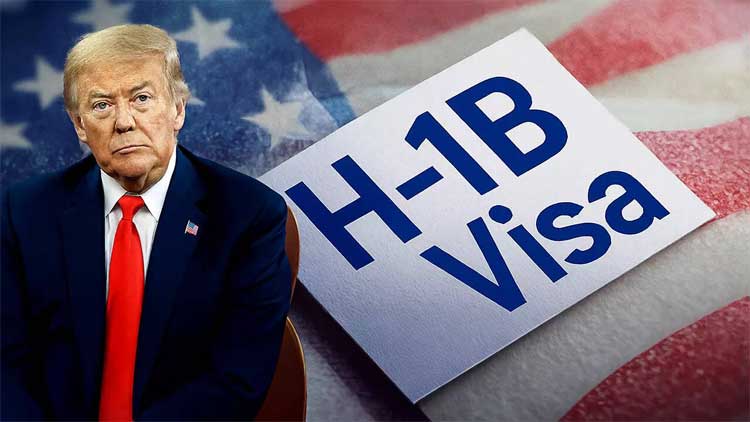
The Trump administration has overhauled the H-1B work visa selection process, replacing the long-standing lottery system with a wage- and skill-based model that prioritizes higher-paid and higher-skilled foreign workers.
Announcing the change on Tuesday, the US Department of Homeland Security said visas will now be allocated with greater weight given to salary levels and skill, a move it said would better protect the wages, working conditions and job opportunities of American workers.
“The new rule replaces the random lottery for selecting visa recipients with a process that gives greater weight to those with higher skills,” the DHS said in a statement.
The new regulations will take effect on February 27, 2026, and apply to the fiscal year 2027 H-1B cap registration season. The program currently issues 65,000 visas annually, with an additional 20,000 reserved for applicants holding US advanced degrees.
DHS said the existing random selection system had been widely criticized for allowing abuse by some employers, leading to what it described as a flooding of applications from lower-skilled foreign workers at lower wages, to the detriment of the US workforce.
“To address these concerns, the final rule will implement a weighted selection process that increases the likelihood that H-1B visas are allocated to higher-skilled and higher-paid foreign workers, while maintaining access across all wage levels,” the department said.
US Citizenship and Immigration Services spokesman Matthew Tragesser said the lottery system had been “exploited” by employers seeking to hire foreign workers at wages below those paid to Americans.
“The new weighted selection will better serve Congress’s intent for the H-1B program and strengthen America’s competitiveness,” Tragesser said, adding that the administration would continue to update the program to prevent abuse while supporting US businesses.
DHS said the rule aligns with other Trump administration measures on the H-1B program, including a sharp increase in visa fees as part of broader reforms.
Comments are closed.