
UN’s Top Court Issues Landmark Climate Opinion, Could Reshape Global Legal Action

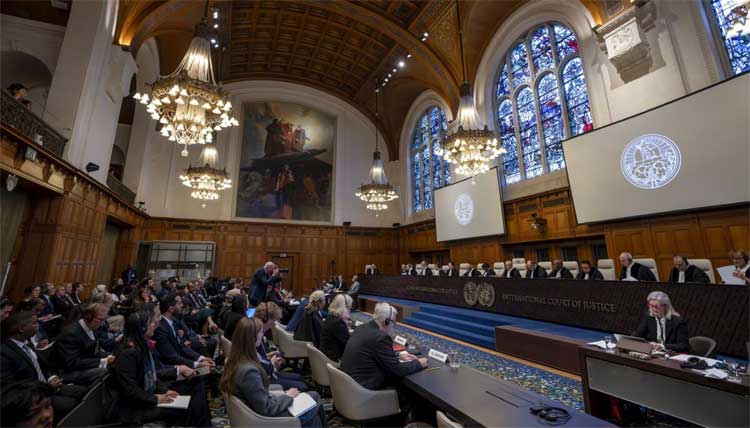
In a potentially game-changing development for global climate policy, the United Nations’ highest court—the International Court of Justice (ICJ)—delivered a historic advisory opinion on Wednesday regarding climate change and state responsibility. The decision, though non-binding, could lay the legal groundwork for future domestic and international climate action.
Why This Matters:
The ICJ’s opinion comes in response to a 2023 request by the UN General Assembly, prompted by years of persistent lobbying from vulnerable island nations such as Vanuatu, which face existential threats from rising sea levels and climate-related damage.
“This is about our survival,” said Arnold Kiel Loughman, Vanuatu’s Attorney General, during the December hearings. “The stakes could not be higher.”
What Did the Court Consider?
The panel of 15 judges was asked to address two key legal questions:
-
What are states legally obligated to do under international law to safeguard the climate from human-caused greenhouse gas emissions?
-
What are the legal consequences for countries whose actions—or inaction—cause significant harm to the climate and environment?
The ruling could provide clarity on these obligations under existing frameworks such as the UN Framework Convention on Climate Change, customary international law, and various human rights treaties.
What the Court’s Opinion Means:
While the ICJ’s opinion is advisory and not enforceable, it carries significant legal and symbolic weight. It could:
-
Support climate litigation worldwide: Citizens may sue their governments for failing to act on climate commitments.
-
Shape international negotiations and treaties, increasing pressure on polluting nations.
-
Be cited in future rulings by other courts, including regional courts and even investment tribunals.
“This case addresses the past, present, and future of climate responsibility,” said Joie Chowdhury, senior attorney at the Center for International Environmental Law. “It forces us to reckon with historical emissions and root causes.”
Growing Legal Momentum:
This decision follows a wave of legal wins for climate action:
-
European Court of Human Rights (2023): Countries must do more to shield citizens from climate harm.
-
Inter-American Court of Human Rights (2024): States have a duty to avoid, mitigate, and restore environmental harm.
-
Dutch Supreme Court (2019): Declared climate protection a human right, mandating the government to take stronger action.
Who Opposes It?
Major emitters including the United States and Russia opposed the ICJ initiative, arguing the court should not dictate national climate policies. Both nations are among the world’s top fossil fuel producers and have resisted binding international legal standards on emissions.
The Bigger Picture:
Though the ICJ cannot compel states to cut emissions, its opinion sets a precedent and adds legal weight to climate justice arguments. For small island nations like Vanuatu, it’s part of a broader strategy to force global accountability.
“The world isn’t moving fast enough,” said Ralph Regenvanu, Vanuatu’s Minister for Climate Change. “This legal step could help push progress where diplomacy alone has failed.”
In the growing intersection of law and environmental justice, the ICJ’s ruling may prove to be a turning point for climate accountability.
Comments are closed.