
United Arab Emirates quits Organization of the Petroleum Exporting Countries: Impact on oil prices, global supply and India

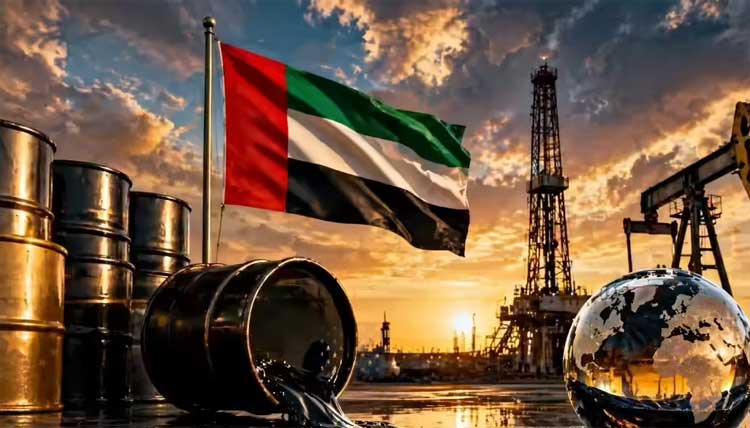
The United Arab Emirates has decided to exit both Organization of the Petroleum Exporting Countries (OPEC) and the broader OPEC+ alliance from May 1 — a move that could reshape global oil markets at a time of heightened supply uncertainty.
Oil prices remain elevated amid geopolitical tensions. Brent crude was trading above $110 per barrel, while WTI hovered near $99, reflecting concerns over disruptions, particularly around the Strait of Hormuz.
Why the move matters
The UAE is among OPEC’s top producers, contributing roughly 12% of the bloc’s output. Its exit weakens the group’s ability to coordinate supply, especially under the leadership of Saudi Arabia.
For decades, OPEC has relied on production quotas to manage supply and stabilise prices. The UAE stepping away from these limits removes a key pillar of that system, raising questions about the bloc’s future cohesion.
What triggered the exit
Officials in Abu Dhabi say the decision is driven by long-term strategy. Energy Minister Suhail Al Mazrouei said the move would give the country greater flexibility over production policy.
The shift reflects growing friction within OPEC. The UAE has significantly expanded its production capacity — currently around 4.85 million barrels per day, with plans to reach 5 million by 2027 — but has been constrained by OPEC-imposed output cuts.
A fragile global backdrop
The timing is critical. Global supply is already under strain due to tensions involving Iran and disruptions to key shipping routes.
The Strait of Hormuz — through which nearly a fifth of global oil and LNG passes — has seen supply interruptions in recent months, tightening the market and amplifying the impact of any major policy shift.
What happens next
In the short term, the UAE’s exit may have limited immediate impact, as logistical constraints and ongoing disruptions cap how much additional oil can reach markets.
Over time, however, the picture could change. Freed from OPEC quotas, the UAE could raise output significantly — with estimates suggesting production could exceed 4.5 million barrels per day, compared to its OPEC+ cap of about 3.4 million.
Any increase is expected to be gradual, unfolding over 12–18 months in line with demand.
The bigger concern lies in precedent. The UAE’s departure could weaken discipline within OPEC, prompting other members to prioritise national output over collective targets — potentially leading to reduced coordination and greater market volatility.
Impact on oil prices
For now, prices are likely to remain driven by geopolitical risks rather than structural shifts within OPEC.
Over the longer term, increased supply from the UAE — combined with weaker cartel coordination — could put downward pressure on prices. At the same time, reduced cooperation among producers may also lead to sharper price swings.
What it means for India
For India, a major oil importer, the implications are mixed.
In the near term, elevated prices due to geopolitical tensions will continue to strain inflation and the import bill. Over time, however, increased supply could help ease price pressures.
The bottom line
The UAE’s decision signals a broader shift in global energy dynamics, as major producers increasingly prioritise output flexibility over collective control.
While the immediate effects may be limited, the move could mark a turning point for OPEC — and for how global oil markets are managed in the years ahead.
Comments are closed.