
UNESCO Reviews New World Heritage Site Candidates Amid Climate, Conflict Concerns

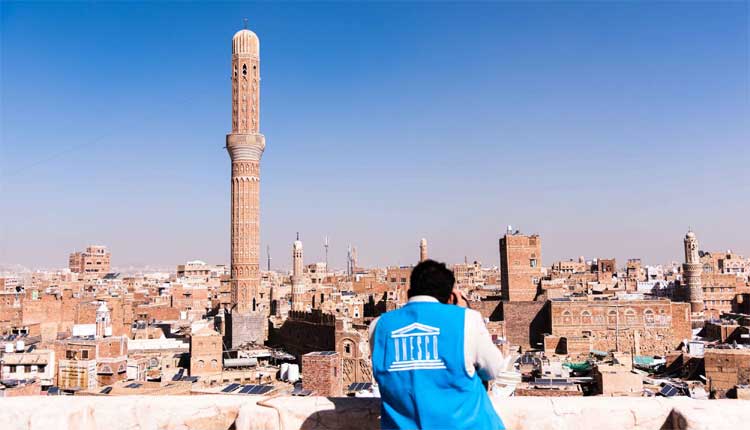
The United Nations’ cultural agency UNESCO is set to announce its latest additions to the World Heritage list this week, with contenders ranging from prehistoric caves and marine ecosystems to former sites of repression and biodiverse forests.
Inclusion on the prestigious list often sparks tourism booms and can unlock critical preservation funding — particularly important as many sites face threats from pollution, neglect, war, and increasingly, climate change.
“Close to three-quarters of world heritage sites are already facing serious water-related risks, from drought to flooding,” UNESCO Director-General Audrey Azoulay said at the opening of the World Heritage Committee session on Monday.
Sites that fail to meet preservation standards risk being added to UNESCO’s endangered list — which currently includes more than 50 entries — or being delisted altogether. Azoulay noted that armed conflict, especially in the Middle East, accounts for nearly half of the endangered designations.
The World Heritage list currently comprises 1,223 cultural, natural, and mixed sites across the globe. However, 27 of UNESCO’s 196 member states still have no sites listed, including several African nations.
This year, Guinea-Bissau and Sierra Leone hope to change that. The two countries are proposing the Bijagos Archipelago and the Gola-Tiwai wildlife reserves, respectively, as candidates. UNESCO officials have emphasized the organization’s commitment to increasing Africa’s representation on the list.
“Since her arrival in 2018, Audrey Azoulay has made Africa not just her personal priority, but one of UNESCO’s core strategic priorities,” said Lazare Eloundou Assomo, director of UNESCO’s World Heritage Centre.
UNESCO’s final selections are expected to reflect both the cultural richness and the mounting challenges faced by heritage sites in a rapidly changing world.
Comments are closed.