
UNEP Warns 1.5°C Limit Will Be Breached, Lays Out Path to Bring Warming Back Down

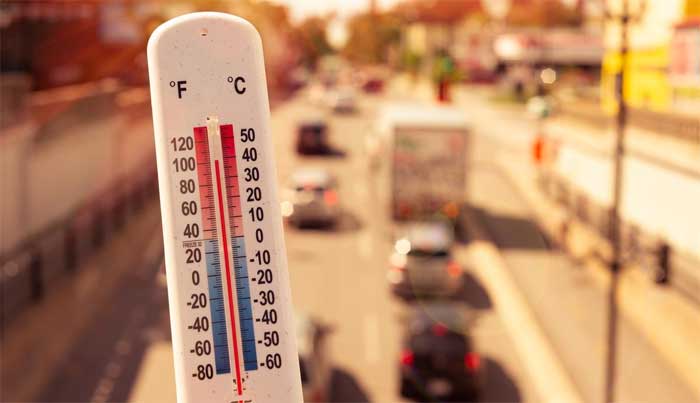
The world is likely to breach the 1.5°C global warming threshold in the coming years, and crossing the limit could trigger irreversible losses that adaptation measures alone cannot reverse, the United Nations Environment Programme (UNEP) warned on Wednesday.
In its report Limiting Overshoot, released in Nairobi on September 2, 2026, UNEP for the first time outlined a detailed “overshoot, peak and decline” pathway — a strategy aimed at limiting how far global temperatures rise above the Paris Agreement’s 1.5°C target before bringing them back below the threshold by the end of the century.
The report said crossing 1.5°C was now unavoidable. Even if every country fully implements its existing national climate plans and net-zero commitments, global warming would peak at around 1.8°C, UNEP said.
Under current policies, however, the world is on track for warming of approximately 2.6°C by 2100, with projections ranging between 1.9°C and 3.6°C.
UNEP stressed that the overshoot pathway should not be viewed as an acceptable or preferred outcome, describing it instead as “the best remaining option” given the shrinking time available to curb emissions.
Why 1.5°C Overshoot Matters
The diplomatic groundwork for the approach was laid at COP30 in Belém, Brazil, in 2025. The “Global Mutirão” decision acknowledged for the first time in a COP outcome that temporarily exceeding the 1.5°C threshold was increasingly likely as the remaining global carbon budget was rapidly depleted.
Countries also agreed to work towards limiting both the magnitude and duration of any overshoot while addressing adaptation gaps. Achieving that would require deep, rapid and sustained reductions in greenhouse gas emissions.
With emissions cuts alone no longer sufficient to bring temperatures back below 1.5°C after an overshoot, UNEP stressed the need to significantly expand carbon removal efforts, including nature-based solutions such as large-scale reforestation.
COP30 CEO Ana Toni said that a major expansion of nature-based carbon removal would be necessary to limit the scale of the overshoot.
UN Secretary-General António Guterres also warned that extreme weather events were already providing a glimpse of the risks ahead.
“This summer’s scorching heat, raging wildfires and deadly floods are a warning of what lies ahead,” Guterres said. “We must make the overshoot above 1.5 degrees as small and short as possible. That demands an overshoot of ambition.”
Compounding Costs of Global Warming
UNEP warned that every year spent above 1.5°C would add to the economic, environmental and social costs of climate change.
The report points to faster sea-level rise, widespread coral reef collapse and glacier losses exceeding a quarter of the world’s total mass by 2100 as some of the consequences.
Without effective adaptation, global food production could also decline by as much as 14% by 2050, the report said.
The risks extend to several major climate tipping points. Higher temperatures could increase the likelihood of irreversible changes involving the West Antarctic and Greenland ice sheets, the Atlantic Meridional Overturning Circulation and the Amazon rainforest.
The UNEP assessment therefore emphasises that limiting the height and duration of the 1.5°C overshoot remains critical. While returning global temperatures below the Paris threshold later this century may still be possible, doing so would require unprecedented reductions in emissions alongside a rapid expansion of carbon removal.
Comments are closed.