
UNEP Frontiers Report 2025 Warns: Climate Change Unleashing Hidden Dangers, From Microbes to Pollutants

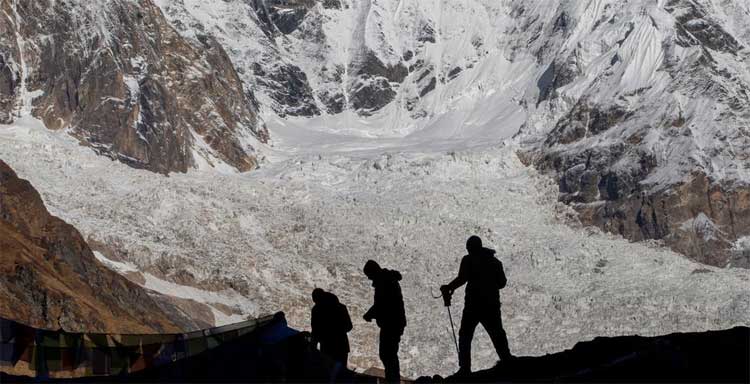
Climate threats are no longer distant possibilities — they’re here, growing, and endangering lives across the globe.
The UN Environment Programme’s (UNEP) Frontiers Report 2025 sounds the alarm on how environmental degradation is intersecting dangerously with human vulnerability, highlighting four critical areas of concern: melting glacier microbes, dismantling dams, climate risks for ageing populations, and legacy pollutants.
1. Melting Glacier Microbes: Invisible Threats Emerging
As glaciers melt at unprecedented rates, scientists warn of the hidden biological dangers trapped in ice for millennia. Microbes — including bacteria, viruses, and fungi — once frozen in glaciers, permafrost, and ice sheets, are being reactivated. While many are harmless, some could pose new or resurgent health threats.
The report calls for urgent research and cataloguing of these microorganisms, which also hold potential for medical and biotechnological breakthroughs, as well as clues about Earth’s climate history.
2. Undamming Rivers: Restoring Ecosystems Amid Climate Crisis
Dams, once symbols of progress, are now compounding water scarcity in areas hit by climate-induced droughts. In the Colombian Amazon, water shortages linked to dammed rivers have disrupted schools, worsened child malnutrition, and increased disease risks.
UNEP emphasizes the urgent need for dam removal to restore natural river flows and ecosystems. Local communities, including Indigenous groups and youth, are already leading this movement — but experts stress the need to study restoration outcomes to ensure future resilience.
3. Older Populations Face Heightened Climate Risks
The elderly are particularly vulnerable to extreme weather events, such as heatwaves, floods, and pollution spikes. The problem is intensifying: by 2050, 16% of the global population will be over 65, most living in cities.
As climate stressors grow, tailored adaptation strategies will be crucial to protect ageing populations — from improved heat shelters to targeted health interventions.
4. Legacy Pollutants Resurface with Floods
Extreme weather events are not just displacing communities — they’re also disturbing toxic sediments. Past industrial pollution, buried for decades, is being resurfaced by floods, spreading dangerous chemicals like heavy metals and persistent organic pollutants.
Examples include the 2010 Pakistan floods, 2012 Niger Delta inundation, and Hurricane Harvey (2017). UNEP urges nature-based flood protection, improved sediment monitoring, and investment in remediation technologies to manage these hidden hazards.
What’s Next?
UNEP Executive Director Inger Andersen warns that the threats outlined will only escalate unless decisive action is taken. “Protecting people, nature, and economies requires early interventions, bold policies, and global cooperation,” she said.
The Frontiers Report 2025 is a stark reminder: environmental challenges are evolving rapidly — and so must our responses.
Comments are closed.