
UN Women Sounds Alarm Over Total Exclusion of Afghan Women from Decision-Making and Education

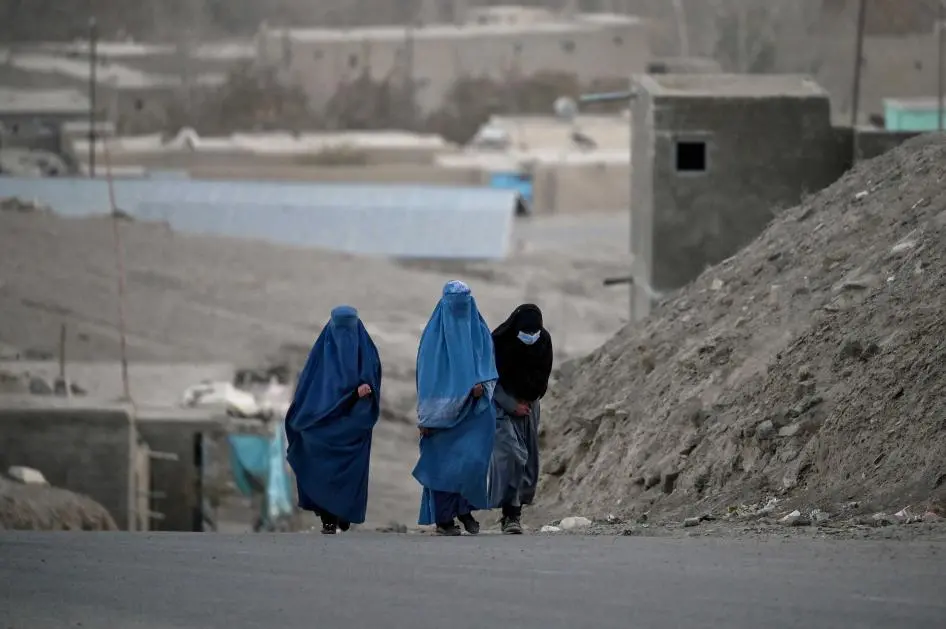
In a stark and urgent warning, UN Women on Tuesday declared that the participation of Afghan women and girls in both governance and education has plummeted to an unprecedented low — zero. The statement underscores the growing humanitarian and human rights crisis facing Afghan females under Taliban rule, with the complete exclusion of women from national and local decision-making bodies and a total ban on secondary and higher education for girls.
Zero Representation, Zero Access
The UN agency emphasized that there are now no women serving in any official government or local decision-making body in Afghanistan. This erasure from public and political life marks a chilling rollback of two decades of progress made during the pre-2021 era, when Afghan women held seats in parliament, served as governors, and participated in policy-making forums at local and national levels.
In addition to political marginalization, girls above grade six remain barred from attending school, and university education is entirely off-limits for women — effectively freezing their future prospects in the country.
A Systematic Dismantling of Rights
“This is not just a setback; it is systemic erasure,” a UN Women official stated. “Women have been pushed out of public spaces, silenced in lawmaking, and denied the right to learn and lead.”
The report by UN Women outlines a comprehensive dismantling of women’s rights under Taliban governance, including:
-
Prohibition of girls’ secondary and university education
-
Closure of women-led NGOs and community organizations
-
Employment restrictions across government, civil society, and media
-
Bans on women traveling without a male guardian (mahram)
-
Dress code enforcement under threat of punishment
Global Response and Condemnation
The global community has widely condemned these actions. Various countries and rights groups have accused the Taliban of gender apartheid, and the United Nations has repeatedly called for the reversal of discriminatory decrees.
Yet, Taliban authorities continue to defend their decisions as aligned with their interpretation of Islamic law — despite widespread opposition from Afghan civil society, religious scholars, and international Islamic institutions.
A Call for Coordinated Pressure
Rights groups have urged the international community to apply coordinated diplomatic and economic pressure, including:
-
Conditional engagement with the Taliban regime
-
Increased support for Afghan women-led NGOs operating in exile
-
Safe education access for Afghan girls through online platforms and border schooling
-
Humanitarian support channeled with gender equity safeguards
With Afghan women now completely cut off from both participation and preparation — in government and in classrooms — experts warn that a generation of leadership is being erased, and that the long-term impact on Afghanistan’s development, security, and cohesion will be devastating.
Unless urgent international action is taken, UN Women cautions, the foundational rights of Afghan women may be lost for an entire generation — with regional and global implications for human rights, refugee movements, and gender justice.
Comments are closed.