
UN Warns of Massive Funding Shortfall to Feed World’s Hungry

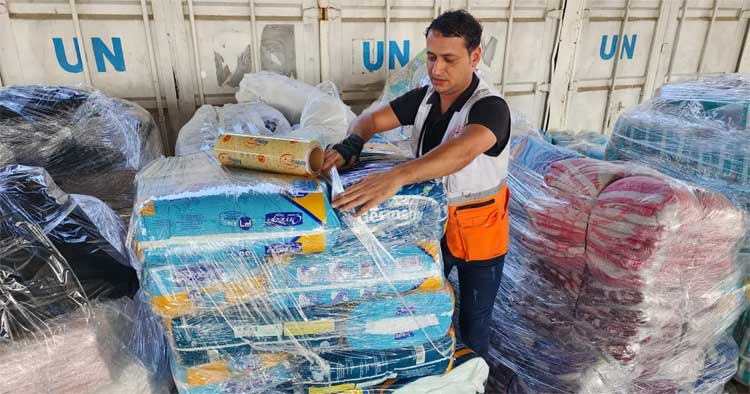
The UN World Food Programme (WFP) warned on Tuesday that deep funding cuts will leave it unable to feed even a third of the 318 million people expected to face severe hunger in 2026.
“Declines in global humanitarian funding are forcing WFP to prioritize food assistance to roughly one third of those in need,” the agency said, noting it will target 110 million of the most vulnerable people. Delivering that aid would cost $13 billion — yet current funding projections indicate the agency may receive barely half that amount.
The United States, the WFP’s largest donor, has reduced foreign aid under President Donald Trump, including contributions to UN agencies. Several European donors have also trimmed humanitarian budgets, compounding the shortfall.
The number of people facing acute hunger has more than doubled since 2019 due to intensifying conflict, extreme weather events and economic instability, the WFP said. This year, UN agencies declared famine in Gaza and parts of Sudan — a situation WFP Executive Director Cindy McCain described as “completely unacceptable in the 21st century.”
In the foreword to the agency’s 2026 Global Outlook report, McCain warned that the world’s humanitarian response “remains slow, fragmented and underfunded.”
“Global aid now covers less than half of total needs, with steep reductions in food assistance,” she wrote. “Almost all operations have had to cut food and cash and prioritize which vulnerable groups receive help.”
She added that attacks on aid workers have surged, signaling “a growing disregard for international humanitarian law.”
Of those expected to face hunger in 2026, 41 million people are classified as experiencing emergency-level conditions or worse.
Last week, the WFP and the UN Food and Agriculture Organization (FAO) identified 16 global “hunger hotspots” from Haiti to South Sudan, warning that funding shortfalls are deepening already severe crises. The agencies said they have received only $10.5 billion out of the $29 billion required to assist those at risk.
Comments are closed.