
UN Tourism: Riyadh Declaration Charts the Future of Global Tourism with AI and Sustainability at Its Core

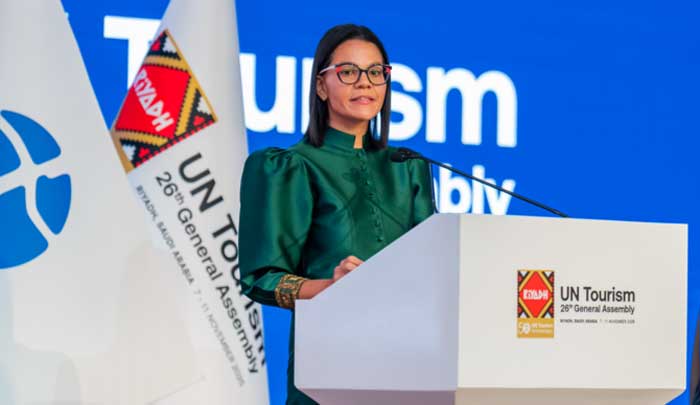
Countries across the globe have pledged to reshape tourism into a more sustainable, digitally empowered, and resilient sector, unveiling a landmark Riyadh Declaration on the Future of Tourism during the UN Tourism 26th General Assembly, hosted in Saudi Arabia.
The declaration recognizes that the tourism sector is “at a turning point in how people travel, how destinations evolve, and how communities thrive,” emphasizing the transformative role of technology — including artificial intelligence and other emerging innovations — in shaping the industry’s next phase.
Comprising 11 pledges, the declaration urges all member states to “act immediately to advance and accelerate progress towards a more sustainable tourism sector that balances environmental stewardship, economic vitality, and social well-being.” It calls for responsible digital transformation, encouraging investment in infrastructure and innovation that takes into account varying national capacities.
Key commitments include:
-
Strengthening resilience through risk assessments, adaptive infrastructure, and rapid response systems.
-
Addressing global workforce shortages and skills gaps by investing in education, training, and cross-country knowledge sharing.
-
Promoting culturally respectful and socially inclusive tourism by authentically engaging local communities and safeguarding cultural heritage.
The declaration also highlights sustainability, digital innovation, accessibility, and environmental pressures as areas requiring urgent attention, while noting persistent challenges such as uneven visitor flows, infrastructure gaps, and workforce mismatches.
At the press conference, UN Tourism Executive Director Natalia Bayona described the declaration as a milestone moment:
“This is the biggest General Assembly in the history of our organization — with more than 150 delegations, 90 ministers, 70 ambassadors, and 120 private-sector partners. Our aim is to set a clear vision for the future — with tourism as a driver of peace, prosperity, innovation, and sustainability for all.”
To translate these commitments into action, UN Tourism Secretary-General Shaikha Al-Nowais has been tasked with developing a strategic roadmap on the future of tourism within a year. She will also oversee implementation of the AI Impact on Tourism Report and Recommendation Guide and the creation of a global AI maturity index to assess readiness and ensure responsible adoption of AI across the sector.
Member states further requested that UN Tourism monitor global AI adoption and present recommendations by 2027, marking a long-term commitment to innovation-driven, sustainable growth.
Saudi Arabia’s Minister of Tourism Ahmed Al-Khateeb hailed the declaration as a “roadmap” for global tourism’s future, noting that “all decisions were taken in a positive atmosphere, underscoring the Kingdom’s leadership and coordination abilities.”
Together, these pledges signal a global consensus: the future of tourism will be sustainable, inclusive, and digitally driven — with collaboration and innovation at its core.
Comments are closed.