
UN Talks Explore Global Tax on Fossil Fuel Giants to Fund Climate Damage Compensation

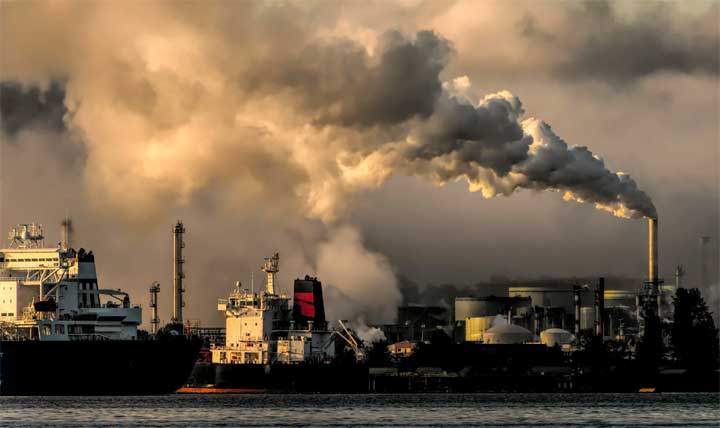
Countries from across the world have come together at the United Nations to negotiate what could become a landmark global tax framework aimed at making fossil fuel companies pay for the environmental damage caused by climate change.
At the UN headquarters in New York, member states are working on a Framework Convention on International Tax Cooperation, a process that began in August and is scheduled to continue until 2027. The talks seek to shift control over global tax rules from the 38-member Organisation for Economic Co-operation and Development (OECD) to the broader community of all 193 UN member nations.
A key focus of the negotiations is a proposal backed by environmental groups and several developing countries to introduce taxes on the profits and production of major fossil fuel companies.
Push to Make Polluters Pay
One of the most discussed ideas is the proposed Climate Damages Tax, which would impose a levy on fossil fuel firms for every tonne of coal, oil, and gas they extract. Starting at around USD 5 per tonne and increasing over time, supporters say the tax could generate hundreds of billions of dollars annually.
Environmental organisations, including Greenpeace, are calling for multinational oil, coal, and gas companies to be taxed on their global profits, with revenues channelled into international climate funds.
“The principle is simple: those who profited most from climate change should help pay for its consequences,” campaigners argue.
Recent data highlights the scale of potential revenue. Five major international oil and gas companies reportedly earned nearly USD 800 billion in profits over the past decade, even as climate-related disasters intensified worldwide, particularly in vulnerable regions.
Why It Matters for India
For countries like India, the outcome of these negotiations could be crucial.
Over the past 30 years, India has suffered an estimated USD 180 billion in economic losses due to extreme weather events, with more than 80,000 deaths linked to climate-related disasters. Floods, cyclones, droughts and heatwaves have affected large parts of the country, impacting over 1.3 billion people.
Despite these mounting challenges, India continues to finance most of its climate response efforts domestically. Current estimates suggest that about 83 per cent of mitigation funding and 98 per cent of adaptation funding come from internal sources.
In vulnerable regions, climate-related losses are believed to amount to 5 to 10 per cent of GDP each year.
Supporters of the global fossil fuel tax argue that it could redirect significant financial resources to countries like India, which face severe climate impacts despite contributing relatively little to historical emissions.
According to Greenpeace International, taxing just seven major oil companies could increase the UN’s Loss and Damage Fund — currently valued at around USD 700 million — by more than 2,000 per cent.
The Road Ahead
The UN tax negotiations are being seen as a major opportunity to link global taxation policy with climate justice.
The issue of fossil fuel dependence was central to discussions at COP30 last year, where countries called for a detailed roadmap to phase out fossil fuels. While consensus was not achieved, the current talks may help fill that policy gap.
However, resistance is expected from fossil fuel-producing nations and major energy corporations, which argue that such taxes could harm investment and energy security.
At the same time, pressure is growing from developing countries, environmental groups and several former world leaders who support holding major polluters financially accountable.
The success of the initiative will depend on how negotiations unfold over the next two years. But analysts say one thing is clear: the question of who pays for climate damage has now moved to the centre of global policy discussions and could shape international climate action for decades to come.
Comments are closed.