
UN Report: Afghan Women Returnees from Iran and Pakistan Struggle Without Shelter and Security

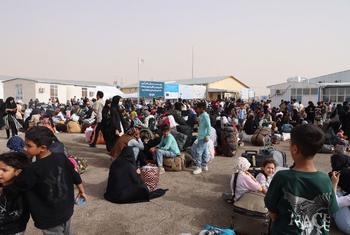
A new United Nations report reveals the growing humanitarian crisis faced by Afghan women forcibly returned from Iran and Pakistan. With over 1.2 million Afghans repatriated in the first half of 2025, many women and girls are left without shelter, protection, or access to essential services—exposing them to heightened risks of exploitation and violence.
Stark Conditions at the Border
At key crossings such as Torkham and Islam Qala, returnees arrive with little to no possessions. For women especially, the situation is dire:
-
Many are provided only a basic tent or no shelter at all.
-
There are widespread reports of extortion at border checkpoints, with women often being forced to pay a large portion of their return stipend to authorities or unofficial agents.
-
Some report harassment and threats during their journey back into Afghanistan, especially when traveling unaccompanied.
One returnee described having to give up nearly all of her cash support in exchange for passage and safety, only to arrive with nowhere to sleep and no one to turn to.
Fragile Reintegration and Housing Crisis
Once inside Afghanistan, the crisis deepens. According to humanitarian assessments:
-
Only a fraction of female-headed households have permanent shelter.
-
A significant number live in rented accommodations that are overcrowded, unsafe, and unsustainable.
-
Many are cut off from income sources, health care, or schooling for their children.
The risk of trafficking, forced marriage, and survival-based negative coping strategies—including child labor and child marriage—is rapidly increasing among returnee populations, especially among widows and single mothers.
Health, Hygiene, and Protection Gaps
Conditions in returnee camps and informal settlements are dangerously inadequate:
-
Food insecurity is widespread. Respiratory infections, gastrointestinal diseases, and malnutrition are common.
-
Access to clean water and sanitation is extremely limited, particularly for women and girls.
-
There are few or no safe spaces for women to seek protection, counseling, or medical attention. Mental health services, already scarce in the region, are virtually nonexistent for returnees.
Firsthand Testimonies
UN officials and humanitarian workers report widespread desperation among returnees. One UN field officer in Kabul described the situation as a crisis hidden in plain sight. Another woman, who returned to Nangarhar with her children, said she had to sleep in the open with no aid, food, or assistance.
Broader Implications
This situation poses long-term challenges:
-
Lack of Protection: Women face legal and physical insecurity under the Taliban regime, with few state protections.
-
Public Health Concerns: Overcrowded and unsanitary conditions threaten broader outbreaks of disease.
-
Secondary Displacement: Without adequate support, many returnees may attempt to migrate again—this time via more dangerous and irregular routes.
-
Regional Strain: Communities near the borders are overwhelmed, and local resources are stretched beyond capacity.
Urgent Calls for Action
The UN and humanitarian partners are urging:
-
Increased international funding for gender-specific aid, including permanent housing, food support, and healthcare.
-
Safe, dignified return processes with specific provisions for unaccompanied women and children.
-
Longer-term solutions to integrate returnees into Afghan society through livelihood support and access to education.
The return of Afghan women from Iran and Pakistan has created a silent emergency. Though the geopolitical headlines focus on deportations and security, the lived reality for many women is one of fear, hunger, and homelessness. Without urgent, coordinated action, the international community risks allowing one of the most vulnerable populations in the world to fall through the cracks.
Comments are closed.