
UN, NASA and NGOs Unite to Tackle Human-Driven Climate Change Threatening Ecosystems and Lives

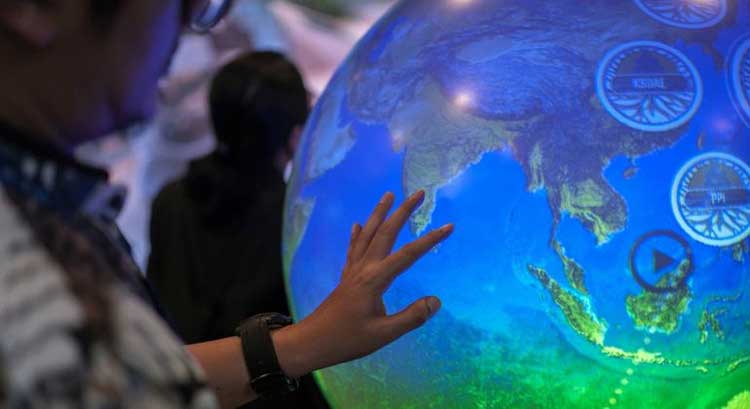
According to the United Nations (UN), climate change refers to long-term shifts in global temperatures and weather patterns. While natural factors such as volcanic eruptions, solar activity, and ocean cycles can influence climate, scientists agree that human activity has been the dominant driver since the 1800s.
The UN notes that burning fossil fuels releases greenhouse gases (GHGs) like carbon dioxide (CO₂) and methane, which trap heat in the Earth’s atmosphere “like a blanket,” raising global temperatures.
Key Drivers of Climate Change
-
Fossil fuels: Energy, transport, and industrial operations
-
Deforestation: Reduces the planet’s ability to absorb CO₂
-
Agriculture: Livestock and farming practices release methane
-
Industry and land use: Major contributors to global emissions
Earth.org highlights that healthy forests absorb 16 billion tonnes of CO₂ annually and store about 861 gigatonnes of carbon, but deforestation is turning them into net emitters, accelerating warming.
How Climate Change is Measured
Organisations like NASA and the World Meteorological Organization (WMO) track climate trends using ground, air, and satellite data. Key indicators include:
-
Rising land and ocean temperatures
-
Melting glaciers and polar ice sheets
-
Rising sea levels
-
More frequent and intense extreme weather events (heatwaves, floods, hurricanes, wildfires, droughts)
🔹 Global warming = rise in Earth’s average surface temperature
🔹 Climate change = broader shifts in rainfall, storms, ocean currents, and weather systems
Global Frameworks for Action
-
The Paris Agreement (2015): Limit temperature rise to below 2°C, ideally 1.5°C.
-
UN Sustainable Development Goals (SDG 13): Urgent climate action.
-
UNFCCC: The primary structure for global climate cooperation.
The IPCC warns emissions must fall by 50% by 2030 and reach net zero by 2050 to prevent catastrophic consequences.
Organisations Leading Climate Action
-
United Nations (UN/UNEP): Coordinates global efforts, supports clean energy, restores ecosystems, and builds climate resilience.
-
NASA: Provides Earth data and models to predict future scenarios.
-
IPCC: Offers scientific assessments guiding policy decisions.
-
The Met Office (UK): Provides climate modelling and projections.
-
NGOs:
-
WaterAid: Builds resilience in water-scarce regions.
-
WWF: Protects ecosystems and biodiversity.
-
Greenpeace: Campaigns for renewable energy and against fossil fuels.
-
Private Sector Leadership
-
Microsoft & Google: Committed to carbon negativity.
-
Ørsted: Shifted from fossil fuels to offshore wind leadership.
-
Tesla: Driving transport decarbonisation via EVs and energy storage.
Final Note
The IPCC suggests that lifestyle and behavioural changes—supported by the right policies and technologies—could cut emissions by 40–70% by 2050, while also improving global health and wellbeing.
Comments are closed.