
UN Chief Warns Women Still Excluded From Peace Efforts 25 Years After Landmark Resolution

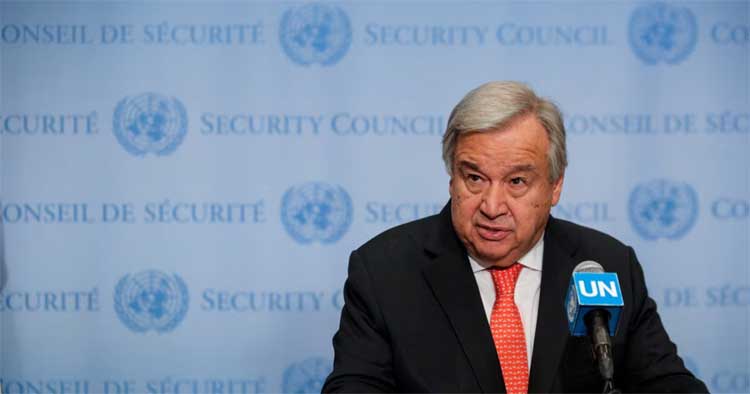
Twenty-five years after the United Nations adopted a landmark resolution calling for women’s equal participation in peace and security efforts, Secretary-General António Guterres warned Tuesday that women remain largely excluded — even as violence against them is rising worldwide.
Speaking at a UN Security Council meeting marking the anniversary of Resolution 1325, Guterres said progress made since its 2000 adoption is now “going in reverse.”
“Around the globe, we see troubling trends in military spending, more armed conflicts, and more shocking brutality against women and girls,” he said. Despite commitments made in forums like the Security Council, he added, “too often we gather in rooms full of conviction and commitment — but fall far short of the resolution’s promise.”
Guterres noted some progress: the number of women serving as UN peacekeepers has doubled, women’s groups have helped drive local mediation and post-conflict recovery, and survivors of gender-based violence have seen increased justice efforts. But he warned that those gains are “fragile.”
According to UN Women, sexual violence against women and girls is surging, and 676 million women now live within 50 kilometers of deadly conflicts — the highest figure since the 1990s.
UN Women Executive Director Sima Bahous cited success stories from around the world, including women-led peacebuilding in the Abyei region between Sudan and South Sudan, the Central African Republic, and progress toward gender parity in Haiti’s new provisional electoral council. Women’s representation in Chad’s National Assembly has doubled, and in Ukraine, women succeeded in enshrining gender-sensitive relief measures into law.
Still, Bahous lamented a “renewed pushback against gender equality and multilateralism,” intensified by funding cuts that are undermining education for Afghan girls, healthcare for sexual violence survivors in Sudan and Haiti, and food aid for women and children in Gaza, Mali, and Somalia.
“It is understandable that some might conclude that the rise and normalization of misogyny currently poisoning our politics and fueling conflict is unstoppable,” she said. “It is not. Those who oppose equality do not own the future — we do.”
Guterres called on all 193 UN member states to renew their commitments by boosting funding, ensuring women’s participation in peace negotiations, enforcing accountability for sexual violence, and securing women’s protection and economic empowerment.
Comments are closed.