
UK to Roll Out Fully Digital Visas in 2026, Phasing Out Physical Documents

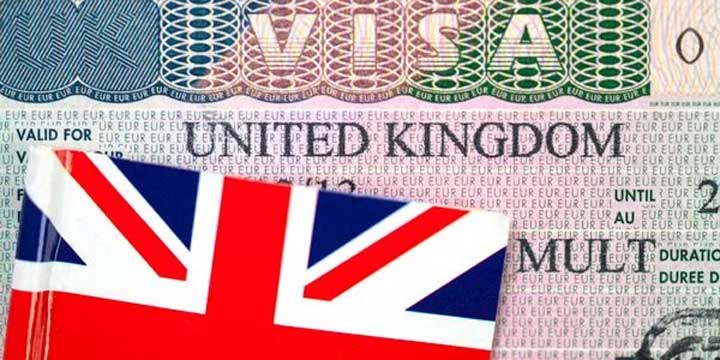
The United Kingdom is set for a sweeping overhaul of its immigration system, with plans to eliminate physical visa documents and transition entirely to electronic visas (e-visas) beginning February 2026. The move is part of a broader strategy to modernise border controls, strengthen security, and simplify travel procedures.
Officials say every visa holder’s immigration status will be digitally linked to their passport through an online UK Visas and Immigration account, enabling faster and more secure verification. After years of trials and phased rollouts, authorities believe a fully digital system will reduce paperwork, minimise document-related issues, and streamline entry processes for travellers.
What Is Changing
The shift will gradually end the use of visa vignette stickers and other physical proof of immigration status.
From 25 February 2026, visitor visa applicants will receive only e-visas, marking a decisive move away from paper-based documentation.
Key changes include:
-
Physical documents such as Biometric Residence Permits (BRPs), Biometric Residence Cards (BRCs), and passport stamps will no longer be issued.
-
Visa vignette stickers will be phased out later in 2026.
-
Existing holders of physical documents will transition to digital status without needing to apply for a new visa.
Why The UK Is Going Digital
Authorities argue that a digital-first system will improve both security and efficiency. Electronic records are harder to forge, lose, or damage, while enabling instant identity verification at border checkpoints.
Expected advantages of e-visas include:
-
Stronger security through online identity validation
-
Faster processing and real-time airline verification
-
Easier sharing of immigration status for employment or housing via secure codes
The change also aligns with the UK’s wider digital-border programme, including the expansion of Electronic Travel Authorisations (ETAs).
What Travellers Need To Do
Visitors travelling to the UK will need an e-visa linked to their passport via a UKVI online account.
Travellers should:
-
Create or log into their UKVI account
-
Ensure passport details exactly match their digital visa record
-
Use the same passport for travel and update records if the passport is renewed
-
Review their e-visa status before departure
Airlines will verify digital authorisation at boarding, and passengers lacking valid approval may be refused travel.
What This Means For Visa-Exempt Travellers
From February 2026, travellers from countries that typically do not require a visa — including those from the EU, EEA, Switzerland, United States, Canada, and Australia — must obtain an ETA prior to travel.
Important details:
-
The ETA fee is £16
-
Valid for multiple visits over two years, or until passport expiry
-
Required for airline boarding
-
Grants permission to travel, with final entry decided at the border
Impact On Dual Nationals
British dual nationals will be required to enter the UK using their British or Irish passport, or present a Certificate of Entitlement to the Right of Abode alongside their foreign passport.
Failure to present appropriate documentation could result in additional checks, as border officials must confirm nationality before allowing entry. Using the correct passport will help ensure smoother digital verification and avoid delays.
Comments are closed.