
UK Faces Outcry Over Secret Afghan Resettlement Scheme and Use of Super Injunction

Successive British governments are under fire after it was revealed that thousands of Afghans were secretly resettled in the UK under a classified program shielded from Parliament, the press, and even the Afghans themselves. The revelation has triggered accusations of democratic backsliding, misuse of legal powers, and endangerment of vulnerable individuals.
At the heart of the scandal is a major data breach involving personal information of nearly 19,000 Afghans who had assisted British forces during the war in Afghanistan. Many of them now plan to sue the government, alleging that officials not only failed to protect their identities but also withheld vital information that left them exposed to Taliban reprisals.
A Leak with Dangerous Consequences
The saga began in February 2022, months after the Taliban’s return to power. Amid the chaos following the West’s withdrawal from Afghanistan, a UK defense official mistakenly emailed a spreadsheet containing sensitive data from the Afghan Relocations and Assistance Policy (ARAP) program. The list included names of Afghans who had applied for resettlement due to their roles supporting British troops.
The government remained unaware of the leak until mid-2023, when part of the list surfaced on Facebook. The threat of broader exposure caused panic among British officials, who feared that up to 100,000 people could be at risk when family members were counted.
Government Turned to Extraordinary Secrecy
In response, then-Defense Secretary Ben Wallace sought and secured a super injunction — a rare and powerful court order that barred not only publication of the information but also the very existence of the injunction itself. Wallace claims he only intended to request a standard gag order, but the legal mechanism remained in place for nearly two years.
While super injunctions are typically associated with celebrity privacy cases, this marked the first known instance of one being used by the UK government to suppress information related to national security and immigration.
Secret Resettlement Begins
Under the cover of this injunction, the government quietly began relocating individuals from the leaked list. Approximately 4,500 people have so far been brought to the UK under this covert program, including 900 primary applicants and 3,600 family members. Officials say the operation will wind down after resettling a total of around 6,900 people at a projected cost of £850 million.
In total, about 36,000 Afghans have resettled in the UK since 2021, but those on the leaked list were given no explanation for the silence or the delay.
Legal and Political Challenges Mount
Several media organizations learned of the leak but were gagged by the injunction. After a lengthy legal battle, the High Court ordered the injunction lifted in May 2024. However, the government appealed, further delaying public disclosure.
Following Labour’s election victory in July 2024, the new government, led by Prime Minister Keir Starmer, commissioned a review. It concluded that the data breach likely did not increase risk to the affected Afghans, citing the Taliban’s existing intelligence on former collaborators. The government then withdrew its legal defense of the injunction.
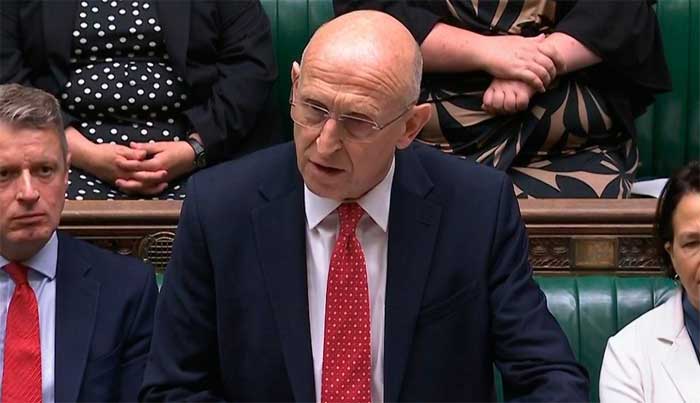
On Tuesday, the order was formally lifted, and Defence Secretary John Healey immediately disclosed the saga in Parliament. “You cannot have democracy with super injunctions in place,” Healey admitted, pledging transparency going forward.
Unanswered Questions and Fallout
The revelation has sparked widespread backlash. Legal experts and privacy advocates are preparing lawsuits on behalf of affected Afghans. “This was a catastrophic failure in both data protection and transparency,” said Adnan Malik of Barings Law, who is organizing a class-action case.
Critics like Reform UK leader Nigel Farage are demanding to know what vetting was carried out under the secret scheme. Free speech advocates warn that the use of super injunctions to shield government missteps sets a dangerous precedent.
High Court Judge Martin Chamberlain, who ordered the injunction’s removal, stated bluntly that it had “completely shut down the ordinary mechanisms of accountability.”
Though the resettlement program is closing, public scrutiny is just beginning. “Accountability starts now,” Healey told the BBC.
Comments are closed.