
U.S. Chamber of Commerce Sues Trump Administration Over $100,000 H-1B Visa Fee

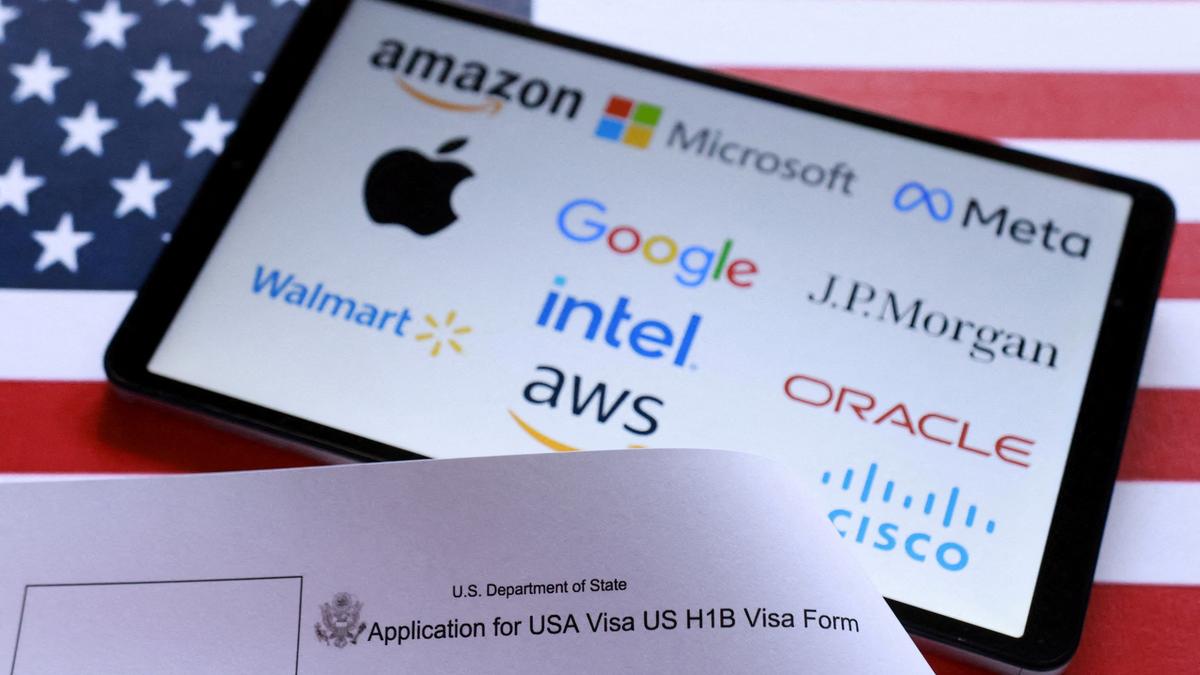
In a major legal move that underscores growing tensions between the business community and government immigration policy, the U.S. Chamber of Commerce has filed a lawsuit against the Trump administration over a newly imposed $100,000 fee on H-1B visa applications. The Chamber argues that the fee is both “unlawful and economically damaging,” warning that it will severely impact American competitiveness and the ability of companies to attract top global talent.
The Disputed Policy
The fee, introduced through a late-stage administrative rule by the Trump-era Department of Homeland Security (DHS), requires employers seeking to sponsor foreign skilled workers under the H-1B visa program to pay an additional $100,000 per application. The administration had justified the move as an effort to “protect American workers” and discourage what it described as “excessive dependence on foreign labor.”
However, the U.S. Chamber of Commerce, along with several leading technology and manufacturing associations, claims that the rule was enacted without proper public consultation and exceeds the administration’s legal authority. The lawsuit, filed in a federal court, seeks to block the enforcement of the fee and invalidate the regulation altogether.
Chamber’s Argument: “A Direct Attack on Innovation”
In its filing, the Chamber called the measure a “direct attack on American innovation and entrepreneurship.” It argues that the policy penalizes companies that rely on global expertise to fill critical skill gaps in sectors like information technology, engineering, research, and healthcare.
“Imposing a $100,000 surcharge per H-1B application is not only arbitrary — it is economically suicidal,” said a Chamber spokesperson. “This policy would cripple small and mid-sized businesses, drive jobs overseas, and undermine the U.S.’s leadership in science and technology.”
The lawsuit also claims the administration failed to consider the economic consequences of the rule, including potential job losses for American workers who depend on high-skilled industries supported by foreign professionals.
Background: H-1B Program in Focus
The H-1B visa program allows U.S. employers to temporarily hire foreign professionals in specialized fields that require theoretical or technical expertise. Traditionally, around 85,000 visas are issued annually through a lottery system, with most beneficiaries working in sectors like software development, finance, and healthcare.
The Trump administration had long criticized the program, alleging widespread abuse and displacement of U.S. workers. Previous attempts to tighten visa eligibility and increase compliance costs were met with resistance from the corporate sector, which argued that such measures would harm innovation and global competitiveness.
Industry Backlash and Broader Implications
The new fee has sparked outrage across Silicon Valley and among multinational corporations that depend heavily on skilled immigrant talent. Several industry leaders warned that the rule could force companies to relocate operations abroad, particularly to Canada and Europe, where immigration policies are more business-friendly.
Tech associations have joined the Chamber’s lawsuit, contending that the rule effectively weaponizes immigration policy against the private sector. Many also pointed out that the cost of compliance would disproportionately affect startups and smaller firms that cannot afford such steep fees.
Legal and Political Ramifications
Legal experts suggest that the Chamber’s case could set a precedent for challenging future attempts to restrict employment-based immigration through executive action. The lawsuit asserts that the Trump administration violated the Administrative Procedure Act (APA) by implementing the rule without adequate notice or justification.
Politically, the issue may also rekindle debate over the balance between protecting domestic labor markets and maintaining America’s global leadership in innovation. Critics argue that protectionist measures, such as exorbitant visa fees, could deter the very kind of skilled immigration that historically fueled the nation’s technological and economic growth.
The Road Ahead
As the lawsuit moves forward, businesses are urging the Biden administration to formally rescind or suspend the rule. While current officials have yet to comment, observers note that the case could become a litmus test for how future administrations handle the intersection of immigration and economic policy.
For now, the Chamber of Commerce’s legal challenge stands as a powerful rebuke to what it views as an anti-business legacy of the Trump era — one that placed ideology over economic pragmatism.
Comments are closed.