
Tuvalu’s Climate Crisis: Australia Opens Doors with Special Visa as Island Faces Submersion by 2050

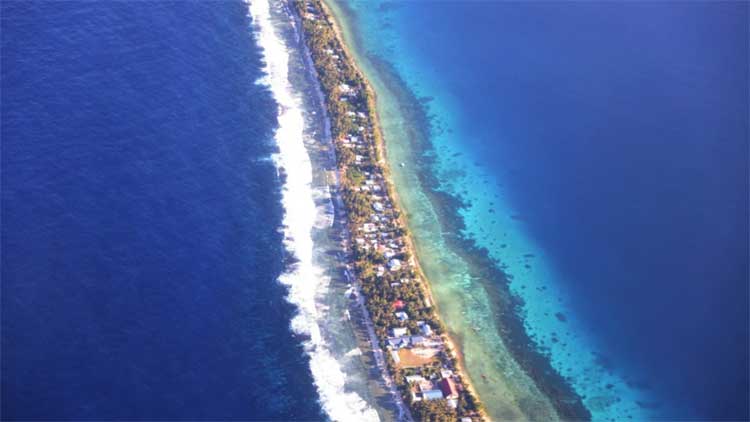
Climate change is an unfolding catastrophe for Tuvalu, a tiny Pacific nation of nine coral islands, now at risk of becoming uninhabitable within decades. As rising sea levels threaten to swallow the country by 2050, nearly a third of its 10,000 residents have already migrated to Australia, fearing the complete erasure of their homeland.
Most of Tuvalu’s population lives in Funafuti, the capital, which lies precariously between the ocean and a lagoon on a narrow stretch of land. With the nation on the climate frontlines, Australia stepped in last year, signing the Falepili Union Treaty in November 2023—a landmark agreement aimed at facilitating the orderly migration of Tuvaluans.
What Is the Falepili Union Treaty?
Under the treaty, which came into force this year, Australia will annually allow 280 Tuvalu citizens over the age of 18 to relocate under a new climate visa system. Eligibility is limited to Tuvaluan passport holders born in the country or with a parent or grandparent born there. The selection is made through a secret ballot each year.
What Is a Climate Visa?
Unlike traditional visas tied to employment or education, the climate visa grants Tuvaluans unrestricted mobility between Tuvalu and Australia. Importantly, applicants are not classified as refugees, meaning they won’t receive refugee-specific benefits. However, the visa makes notable exceptions—disabilities or chronic illnesses won’t disqualify applicants, a significant departure from typical Australian immigration policy.
More than 3,000 Tuvaluans have applied for the first round of the ballot—ten times the number of available spots—underscoring the urgency and emotional toll of the situation. While the initial cap is set at 280, officials suggest the quota could rise in response to future needs.
As the world watches Tuvalu’s slow disappearance, the climate visa stands as both a humanitarian lifeline and a stark reminder of climate change’s disproportionate impact on vulnerable nations.
Comments are closed.