
Tsunami Warning LIVE: 900,000 Evacuated in Japan; U.S. Landfall Expected Within 4 Hours

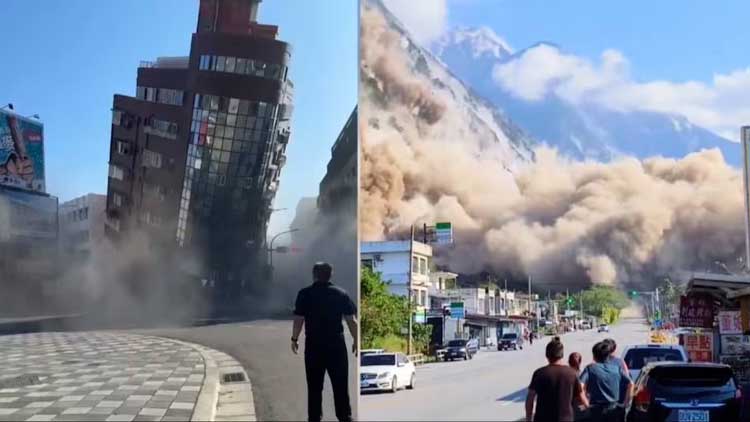
A massive 8.8-magnitude earthquake struck Russia’s remote Kamchatka Peninsula early Wednesday, triggering tsunami alerts across the Pacific and sparking evacuations from Hawaii to New Zealand. The US Geological Survey (USGS) reported the quake struck at a depth of 20.7 km around 119 km southeast of Petropavlovsk-Kamchatsky, a major city in the region.
Tsunami Waves Hit Russia, Japan
The first tsunami wave was recorded in Severo-Kurilsk, in Russia’s Kuril Islands, according to Governor Valery Limarenko. Although no major injuries were reported, evacuations were ordered, and structural damage has been confirmed.
In Japan, tsunami waves of up to 40 cm (1.3 feet) were recorded in Tokachi, Hokkaido, prompting temporary suspension of ferry services and airport runway closures in affected areas. Nuclear facilities, including the Fukushima Daiichi plant, reported no incidents, with workers relocated as a precaution.
Pacific Tsunami Warnings Issued
Hawaii
The Pacific Tsunami Warning Center confirmed a tsunami capable of damaging coastlines had been generated. Sirens rang out in Honolulu on Tuesday evening (local time), with residents urged to evacuate low-lying areas. Initial wave arrivals were projected for 7 pm.
United States West Coast
Tsunami advisories were issued for California, Oregon, Washington, and parts of British Columbia in Canada. The Oregon Department of Emergency Management warned of 1–2 ft waves and dangerous currents starting 11:40 pm Tuesday.
New Zealand
Emergency officials warned of strong and unusual currents, urging people to avoid beaches, harbors, and estuaries. The country, though over 9,000 km from the epicenter, remains under alert.
Philippines
Waves under 1 meter (3 feet) were forecast along Pacific-facing provinces. Officials warned swimmers and fishermen to stay clear of coastal waters due to prolonged and unpredictable surges.
Earthquake Impact in Russia
In Petropavlovsk-Kamchatsky, home to 180,000 people, the quake caused power outages, mobile service disruptions, and minor injuries. Buildings were damaged, and aftershocks—some as strong as magnitude 6.9—were reported. This is the strongest earthquake in Kamchatka since 1952, per the Russian Academy of Sciences.
Global Context
The quake ranks among the most powerful globally in over a decade, second only to Japan’s 2011 magnitude-9.0 disaster, which triggered a deadly tsunami and nuclear crisis.
What Is a Tsunami?
Tsunamis are large sea waves triggered by vertical shifts in the ocean floor, often due to earthquakes. As these waves approach shorelines, they rise in height and can cause widespread flooding and destruction, even if initial waves appear small.
Ongoing Risk and Caution
Authorities across the Pacific urged continued vigilance, warning that tsunami waves can persist for hours, with dangerous aftershocks likely in Russia. Residents are being advised to stay clear of the water and follow emergency instructions until all warnings are lifted.
The World Tsunami Warning Network continues to monitor the situation.
Comments are closed.