
Trump’s Rollercoaster Diplomacy: Ceasefire Between Israel and Iran Emerges After 48 Hours of Chaos and Clashes

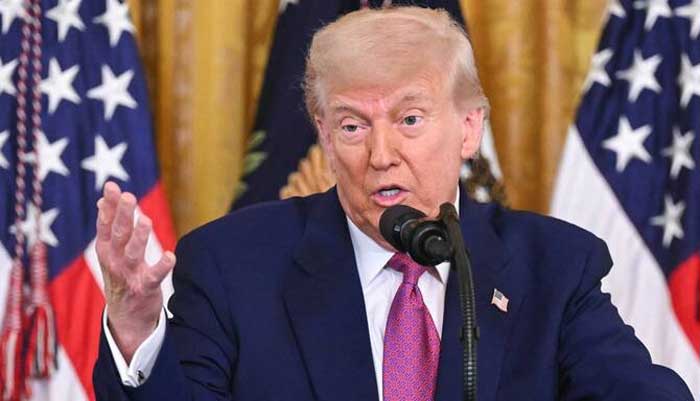
In a whirlwind 48 hours, U.S. President Donald Trump swung from elation to fury to self-declared triumph as a fragile ceasefire between Israel and Iran came together — only to nearly collapse before finally holding.
What began as a fierce U.S.-led military escalation against Iran’s nuclear infrastructure rapidly turned into a frenzied diplomatic effort to halt a regional war. The ceasefire, announced by Trump on his social media platform, came after intense backchannel negotiations involving Israeli, Iranian, and Qatari officials — and a characteristically volatile performance from the president himself.
“This is a war that could have gone on for years and destroyed the entire Middle East, but it didn’t — and never will!” Trump declared online, touting the ceasefire as a major geopolitical win.
Behind the Scenes: Pressure, Pushback, and Posturing
Following U.S. airstrikes on three Iranian nuclear sites early Sunday, Trump directed aides to push for de-escalation. He phoned Israeli Prime Minister Benjamin Netanyahu directly, telling him that the United States would not carry out additional offensive operations and that it was time to return to diplomacy.
According to a senior White House official, Netanyahu didn’t enthusiastically agree — but recognized that Israel had already achieved key objectives and that Washington had no appetite for prolonged military involvement.
Meanwhile, Trump’s special envoy Steve Witkoff held talks with Iranian Foreign Minister Abbas Araghchi, warning Iran of America’s capabilities while urging a return to negotiations. “We want peace — and Iran should, too,” Witkoff said publicly.
By Monday night, signs of a deal were emerging. Qatari officials played a critical intermediary role, with the emir of Qatar having a lengthy call with Trump after Iran fired missiles at a U.S. base in the emirate. The damage was minimal — U.S. and Qatari defenses intercepted most of the missiles, and Iran reportedly gave advance warning.
Encouraged by Iran’s restrained response and Israel’s limited willingness to escalate further, Trump moved quickly to declare a ceasefire. Vice President JD Vance, caught off guard by the timing, confirmed on Fox News that discussions were still unfolding even as Trump announced the agreement.
Confusion and Continued Strikes Undermined the Rollout
Despite Trump’s triumphant tone, neither Israel nor Iran immediately confirmed the deal. Iranian Foreign Minister Araghchi stated publicly there was no formal agreement, but hinted Iran would halt further attacks if Israel did the same by 4 a.m. Tehran time.
But the calm didn’t hold.
Just hours before the ceasefire deadline, Israel launched a significant strike deep into Tehran, reportedly targeting regime strongholds and killing hundreds, according to Israeli statements. Iranian media confirmed casualties and damage in northern Gilan province, where residential buildings were destroyed.
Iran, in turn, launched another wave of missiles at Israel, sparking fury from Trump.
Trump Lashes Out, Forces Ceasefire Compliance
Preparing to depart for the NATO summit in the Netherlands, Trump publicly rebuked both nations on the White House lawn: “They don’t know what the f— they’re doing,” he said bluntly.
He followed up with a stern social media post directed at Israel:
“ISRAEL. DO NOT DROP THOSE BOMBS. IF YOU DO IT IS A MAJOR VIOLATION. BRING YOUR PILOTS HOME, NOW!”
A tense call followed aboard Air Force One between Trump and Netanyahu. According to officials, the president was “exceptionally firm and direct.” Shortly afterward, Israel confirmed it would refrain from further attacks.
Trump wasted no time announcing that the ceasefire was back on track:
“ISRAEL is not going to attack Iran. All planes will turn around and head home, while doing a friendly ‘Plane Wave’ to Iran. Nobody will be hurt. The Ceasefire is in effect!”
What Comes Next?
Despite the ceasefire, the situation remains delicate. Iranian Supreme Leader Ayatollah Ali Khamenei has remained publicly defiant, and it’s unclear how much control he exerted over the agreement. Netanyahu waited more than eight hours after Trump’s announcement to confirm Israel’s participation.
Qatar, meanwhile, is being credited with helping steer both sides away from disaster. Trump administration officials believe Iran’s weakened proxy network and limited military capability, battered by 12 days of Israeli strikes, made de-escalation more palatable for Tehran.
Still, the ceasefire lacks deeper conditions related to Iran’s nuclear ambitions or sanctions relief. Trump, for now, is celebrating the pause in fighting as a diplomatic coup:
“It was my great honor to Destroy All Nuclear facilities & capability, and then, STOP THE WAR!”
Whether that claim holds up remains to be seen. But for now, the guns have quieted — and the world exhales, however briefly.
Comments are closed.