
Trump’s Pick for Malaysia Ambassador Sparks Backlash Over Islam, Gaza Comments

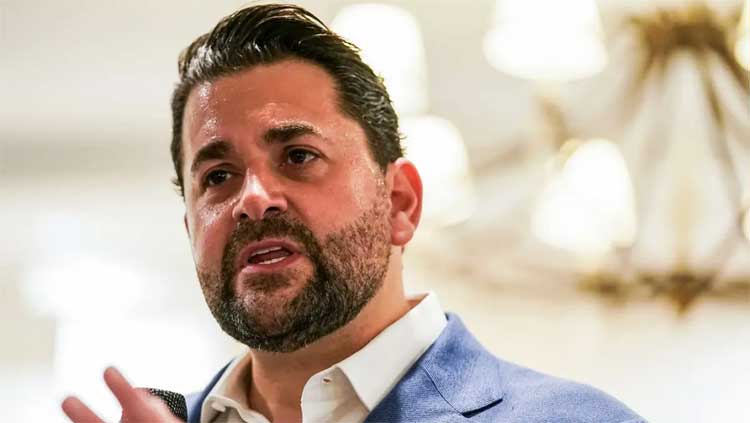
Malaysia’s government is under growing pressure to reject President Donald Trump’s controversial nominee for U.S. ambassador, conservative commentator Nick Adams, amid fears his appointment could damage diplomatic ties during sensitive trade talks.
Adams, a 40-year-old naturalized U.S. citizen originally from Australia, is known for his brash online persona and strong presence in the “manosphere” — an online ecosystem catering to self-styled “alpha males.” His nomination, announced by the White House and awaiting Senate confirmation, has ignited a firestorm in Malaysia over his inflammatory remarks on Islam and vocal support for Israel’s military actions in Gaza.
In posts on X (formerly Twitter), Adams has criticized efforts to “teach Islam in schools” and equated Palestinian solidarity with support for terrorism — positions that have sparked widespread anger in Malaysia, a Muslim-majority country that has long been a staunch advocate for the Palestinian cause. Prime Minister Anwar Ibrahim has publicly resisted Western pressure to condemn Hamas and has reaffirmed Malaysia’s support for Palestinian rights.
The youth wing of Anwar’s People’s Justice Party announced plans to protest Adams’ appointment, submitting a memorandum to the U.S. Embassy in Kuala Lumpur. “Any rejection should not be misconstrued as hostility but seen as necessary to protect bilateral ties,” the group said. Meanwhile, Islamic opposition party PAS and a coalition of 20 pro-Palestine NGOs have issued public statements demanding the government block the appointment, calling it offensive to the sensitivities of Malaysian citizens.
Adams’ social media persona — including frequent posts about hot dogs, Hooters, muscle cars, and traditional masculinity — has further stoked criticism that he is culturally ill-suited for a diplomatic role in a diverse and socially conservative country like Malaysia.
Government spokesperson Fahmi Fadzil confirmed that Adams’ nomination had not yet been discussed by the cabinet, which holds the final say on accepting foreign envoys. Analysts say the issue presents a serious diplomatic dilemma for the Anwar administration.
“There’s no elegant solution here,” said Shahriman Lockman of Malaysia’s Institute of Strategic and International Studies. “Refusing Adams could provoke retaliation from Trump at a time when Malaysia is under pressure to make trade concessions in exchange for avoiding steep U.S. tariffs. But approving him risks backlash from key political and religious constituencies.”
The U.S. Senate, controlled by Republicans, is expected to confirm Adams, continuing its pattern of endorsing Trump’s nominees since his return to office in January. Adams has thanked Trump for the nomination, calling it “the honor of a lifetime,” while Trump described him on Truth Social as “an incredible Patriot” and “inspiration.”
U.S. Secretary of State Marco Rubio, who recently visited Kuala Lumpur, voiced support for Adams and expressed confidence in his confirmation. The U.S. Embassy in Malaysia declined further comment.
Former Malaysian diplomats say outright rejection is unlikely, but the government may delay granting agrément — the formal approval of an ambassador — as a subtle protest. “It would signal that Malaysia values the relationship but expects cultural sensitivity and respect from any envoy,” said retired ambassador Ilango Karuppannan.
Former Foreign Minister Saifuddin Abdullah argued that despite Adams’ close ties to Trump, Malaysia must not compromise on its principles. “You can’t welcome someone who disrespects your values, no matter how politically connected they are,” he said.
Tricia Yeoh, a political analyst and academic, warned that Adams’ effectiveness as ambassador would depend on whether he can gain the trust of Malaysia’s leaders. “If he brings his online persona into the diplomatic space, he’ll face serious challenges,” she said.
As trade talks loom and public opposition mounts, Malaysia now faces a delicate balancing act: accommodate Washington’s political appointee or risk inflaming tensions with a key strategic partner.
Comments are closed.