
Trump Vows to Block Iran’s Nuclear Ambitions Amid Escalating Israel-Iran Conflict

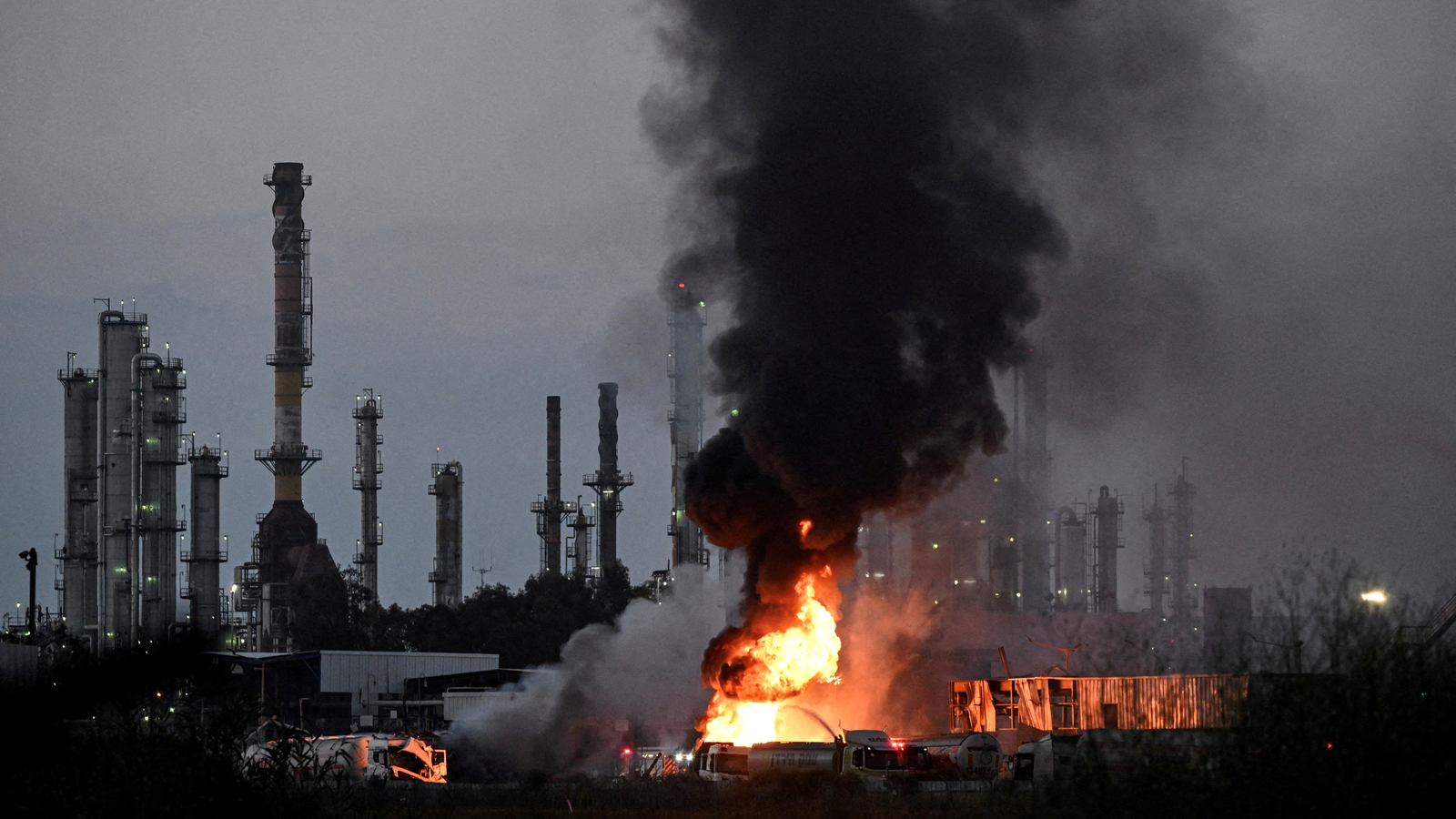
In a strong and unequivocal statement, former U.S. President Donald Trump on Wednesday declared that the United States will not permit Iran to acquire nuclear weapons, sending a clear message amid intensifying hostilities between Israel and Iran. His remarks come at a time when the Middle East faces one of its most volatile security crises in recent years, with both Tehran and Tel Aviv launching retaliatory strikes, fueling fears of a broader regional war.
Trump’s declaration, though made outside formal office, carries significant political and diplomatic weight given his ongoing influence in Republican foreign policy circles and his anticipated return bid in the 2024 U.S. Presidential elections. His comments have also stoked speculation regarding a potential direct U.S. involvement in the evolving conflict.
Trump’s Firm Stance on Tehran’s Nuclear Program
In his public address, Trump reaffirmed his administration’s long-standing position that a nuclear-armed Iran would pose an existential threat not only to Israel but to global security. He accused the current U.S. administration of being “too soft” on Tehran and warned of “catastrophic consequences” if Iran’s nuclear capabilities are left unchecked.
“We will never allow the Iranian regime to get its hands on nuclear weapons. That’s a promise. America must stand with Israel and confront evil with strength, not weakness,” Trump stated during the televised segment.
Trump’s words echo his 2018 decision as President to withdraw the United States from the Joint Comprehensive Plan of Action (JCPOA), also known as the Iran nuclear deal, citing its ineffectiveness in preventing Iran from advancing its weapons program.
Israel-Iran Conflict Escalates
The renewed focus on Iran’s nuclear ambitions follows a sharp military escalation between Israel and Iran, with both nations engaging in a series of direct strikes, including cyberattacks, drone operations, and targeted bombings across Syrian and Iraqi territories. Iranian state media recently claimed responsibility for a missile barrage targeting Israeli military installations in the Golan Heights, while Israel has reportedly launched retaliatory airstrikes on suspected Iranian Revolutionary Guard Corps (IRGC) facilities in Damascus and western Iran.
The conflict, once fought through proxies and covert operations, has now spilled into open confrontation, drawing international concern and intensifying diplomatic efforts to de-escalate the situation.
Possibility of U.S. Involvement?
Trump’s warning against Iran acquiring nuclear weapons, coupled with growing bipartisan pressure on Capitol Hill, has fueled speculation that the United States may be forced to take a more direct role in the unfolding crisis. While the Biden administration has thus far called for restraint and backed Israel diplomatically, questions remain about how long Washington can maintain a hands-off approach.
Several analysts suggest that any credible evidence of Iran nearing nuclear breakout capability could trigger preemptive action—either by Israel, the United States, or both. Military analysts warn that a joint air campaign targeting Iranian enrichment facilities could lead to an all-out regional war involving Hezbollah, Hamas, and possibly Gulf actors.
Global Reactions and Diplomatic Concerns
The international community has responded with alarm and urgency. The United Nations has called for immediate de-escalation and the resumption of dialogue, while European allies, including France and Germany, have urged the U.S. and Iran to return to nuclear negotiations. China and Russia, meanwhile, have condemned Israeli strikes and voiced support for Iran’s right to self-defense—adding a layer of geopolitical complexity to the crisis.
As the Israel-Iran conflict escalates and nuclear concerns take center stage, Trump’s assertive stance may push the conversation back toward a “maximum pressure” strategy. Whether this will influence current U.S. policy remains to be seen, but one thing is clear: the stakes in the Middle East have never been higher.
The world now watches closely to see if Washington will transition from diplomatic caution to military action—rekindling memories of past U.S. interventions in the region and raising urgent questions about the future of peace and stability in the Middle East.
Comments are closed.