
Trump Unveils “Gold Card” Residency Scheme for Wealthy Foreign Investors

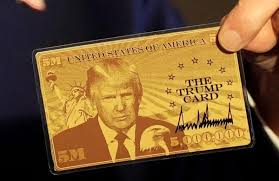
In a move set to reshape the U.S. immigration landscape, President Donald Trump on Thursday officially launched a new initiative dubbed the “Gold Card” — an exclusive immigration pathway aimed at high-net-worth foreign individuals. The program offers permanent U.S. residency in exchange for a $5 million contribution to the federal government, positioning it as one of the most elite investment-based immigration programs in the world.
Overview of the Gold Card Program
The “Gold Card” is designed to attract global capital and entrepreneurial talent by offering wealthy foreigners a fast-tracked path to live and work in the United States.
Key Features:
-
Investment Threshold: A minimum one-time payment of $5 million to the U.S. Treasury.
-
Residency Benefits: Immediate issuance of a green card to the applicant and their immediate family (spouse and children under 21).
-
No Job Creation Requirement: Unlike the EB-5 visa, the Gold Card program does not require applicants to create or maintain U.S.-based jobs.
-
Streamlined Processing: Promises approval within 90 days, bypassing the often lengthy and bureaucratic EB-5 system.
Trump’s Statement
During the official announcement at the White House, President Trump said:
“America is open for elite investment. With the Gold Card, we’re welcoming the world’s best and wealthiest to build their future here. This program strengthens our economy, our global appeal, and our standing as the land of opportunity.”
He added that this move was part of a broader strategy to revitalize U.S. real estate and business sectors, and to attract capital that can be redirected into infrastructure and innovation projects.
Strategic and Political Implications
The Gold Card initiative is viewed by many as a rebranding of elite-tier economic migration, drawing comparisons with similar “golden visa” programs in countries like Portugal, the UAE, and Singapore.
Critics argue:
-
It favors the ultra-rich and undermines merit-based or humanitarian immigration.
-
It could open doors to money laundering or opaque foreign capital.
-
The program sidesteps traditional vetting metrics, prioritizing wealth over skills or values.
Supporters claim:
-
It will inject billions into the U.S. economy.
-
It could revitalize the luxury housing and startup markets.
-
It positions the U.S. competitively on the global stage for investment migration.
Global Context
The launch of the Gold Card comes amid growing global demand for citizenship-by-investment programs among high-net-worth individuals (HNWIs), especially from regions facing political instability, economic downturns, or regulatory constraints.
Analysts note a surge in interest from:
-
Tech entrepreneurs in Asia
-
Oil and real estate moguls from the Middle East
-
Crypto billionaires and digital nomads seeking U.S. market access
What Comes Next?
The Department of Homeland Security (DHS) is expected to publish detailed guidelines and application procedures later this month. President Trump’s administration has also hinted at caps and annual quotas to prevent market saturation and abuse.
Whether the program will gain bipartisan support remains to be seen, especially as immigration continues to be a politically sensitive issue in the run-up to the 2026 midterm elections.
Comments are closed.