
Trump to Australian Ambassador: ‘I Don’t Like You Either’ — Inside the Latest Diplomatic Flashpoint

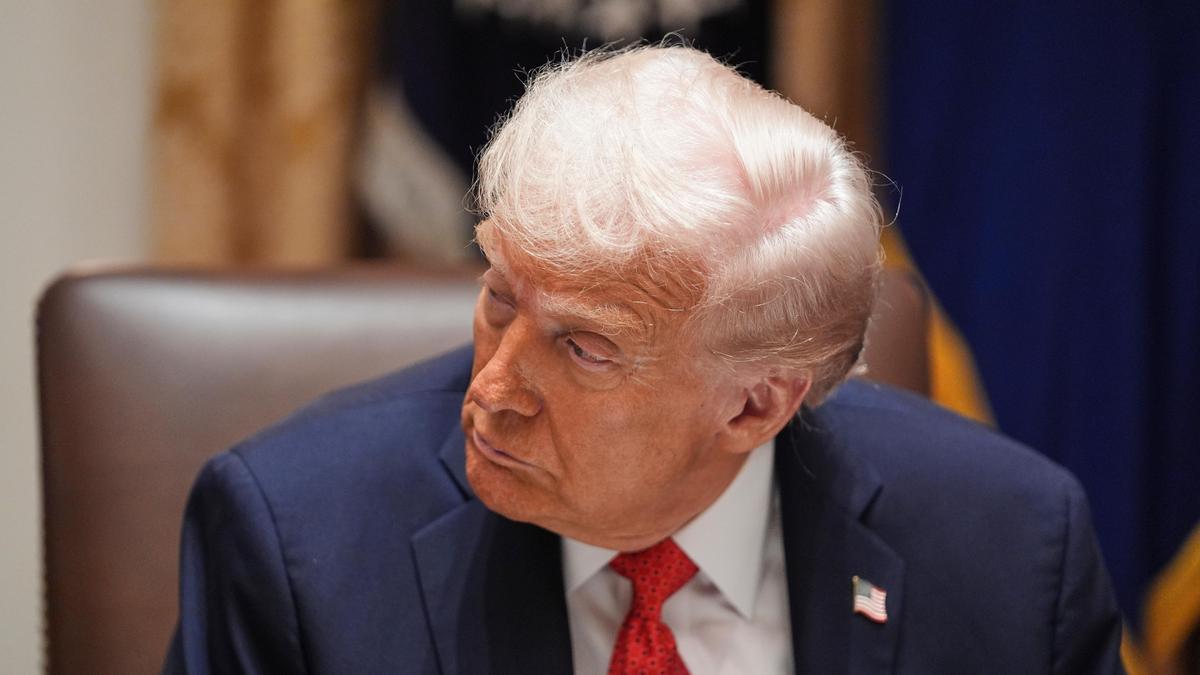
In yet another episode reflecting his unfiltered diplomatic style, former U.S. President Donald Trump reportedly told the Australian ambassador, “I don’t like you either,” during a tense exchange that has drawn attention across political circles. The comment, typical of Trump’s blunt demeanor, underscores the friction that has occasionally surfaced in U.S.–Australia relations despite the two nations’ long-standing alliance.
While details of the encounter remain limited, the reported remark hints at Trump’s dissatisfaction with Australia’s stance on certain policy issues — possibly trade imbalances, defense commitments, or its alignment with U.S. adversaries on select global matters. Observers say the incident mirrors Trump’s larger pattern of using personal confrontation as a negotiation tool, often signaling frustration with allied nations he perceives as not contributing their “fair share.”
A Pattern of Candid Diplomacy
Throughout his presidency and political career, Trump has been known for his direct, often abrasive exchanges with world leaders. From heated phone calls with U.S. allies to public criticism of NATO members, his approach has consistently broken from diplomatic convention. Supporters argue that such bluntness reflects Trump’s commitment to “America First” — a refusal to engage in what he views as performative politeness masking unequal partnerships. Critics, however, contend that such remarks damage America’s global standing and weaken trust among allies.
The U.S.–Australia Alliance Under Strain
The U.S.–Australia relationship, one of the oldest in the Indo-Pacific region, has historically been rooted in defense cooperation, intelligence sharing, and mutual democratic values. However, under Trump’s tenure, moments of tension occasionally surfaced — particularly around trade tariffs and burden-sharing in defense agreements. Australia’s increasing engagement with China, its largest trading partner, may also have irked Trump, who was known for his tough stance against Beijing.
The reported remark to the ambassador could therefore be interpreted less as a personal insult and more as an expression of Trump’s longstanding frustration with allied nations balancing U.S. relations against economic ties with China.
Political Fallout and Reactions
The incident has already sparked debate among foreign policy analysts. Some Australian commentators suggest that the ambassador handled the situation diplomatically, understanding that Trump’s remarks often serve as rhetorical bluster rather than genuine animosity. Others see it as a sign of the unpredictability that could define Trump’s potential return to the global stage, should he win another term in the White House.
Within the United States, Trump’s supporters have downplayed the controversy, describing it as part of his “refreshing honesty.” Detractors, meanwhile, view it as yet another example of how Trump’s impulsive remarks could jeopardize carefully cultivated alliances at a time of heightened geopolitical tension.
Conclusion
Trump’s “I don’t like you either” comment may sound like a fleeting outburst, but in the delicate world of diplomacy, words carry weight. For Australia and other allies, it serves as a reminder that dealing with Trump requires a blend of patience, strategic understanding, and readiness for the unexpected. Whether this episode leads to any lasting diplomatic friction remains to be seen, but it certainly reinforces one thing: Trump’s style of diplomacy — personal, provocative, and unapologetically blunt — continues to defy the norms of traditional statecraft.
Comments are closed.