
Trump Signals NATO Shift as Russia Tests Baltic Borders

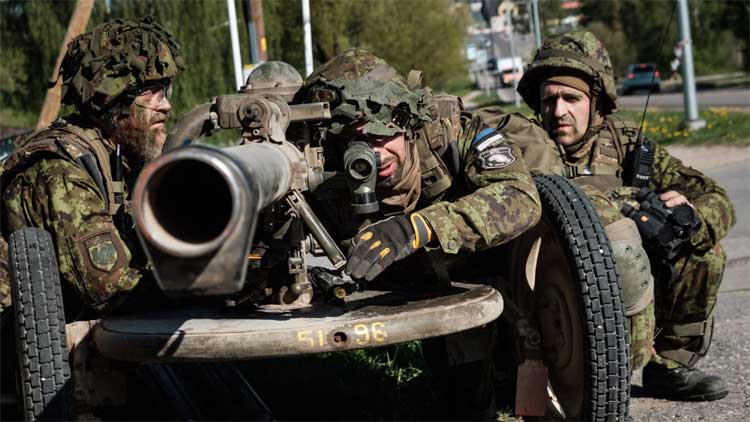
Pentagon officials privately warned European diplomats in late August that the US would scale back security aid to Latvia, Lithuania, and Estonia — NATO members bordering Russia — and urged Europe to become less reliant on Washington.
The warning was followed Friday by a direct provocation: Estonia said Russian MiG-31s entered its airspace for 10 minutes before being chased away by Italian F-35s. Moscow denied the violation, claiming its jets flew over neutral waters. Hours later, Polish officials reported Russian aircraft buzzing an oil platform, after Russian drones were downed inside Poland last week.
The muted US response — Trump waited hours before saying the incident could mean “big trouble” — has fueled unease among allies, who fear the president is reverting to an “America First” posture after a summer of high-profile diplomacy.
Trump had previously hosted Vladimir Putin in Alaska, bombed Iranian nuclear sites in support of Israel, and threatened tough new sanctions on Moscow. But recently he has pushed Europe to bear more of the burden, demanding EU nations impose sanctions or tariffs on buyers of Russian oil before expecting further US action.
European officials say the shifting tone has left them exhausted. Trump’s earlier pledges of new Patriot systems for Ukraine and expanded sanctions have given way to talk of US disengagement, even as Russia escalates pressure on NATO’s eastern flank.
Analysts warn the softer US line could embolden Putin. “Further US disengagement would lead to more provocative actions from Putin as he sees Europe as weaker — especially without the US there to back it up,” said Alex Plitsas of the Atlantic Council.
The White House insists Europe can afford to fund its own defense. “Many of our European allies are among the world’s wealthiest countries,” an official said. “They are fully capable of funding these programs if they choose.”
Comments are closed.