
Trump Ends Trade Talks with Canada Over “Unfair” TV Ads – Tensions Flare Across the Border

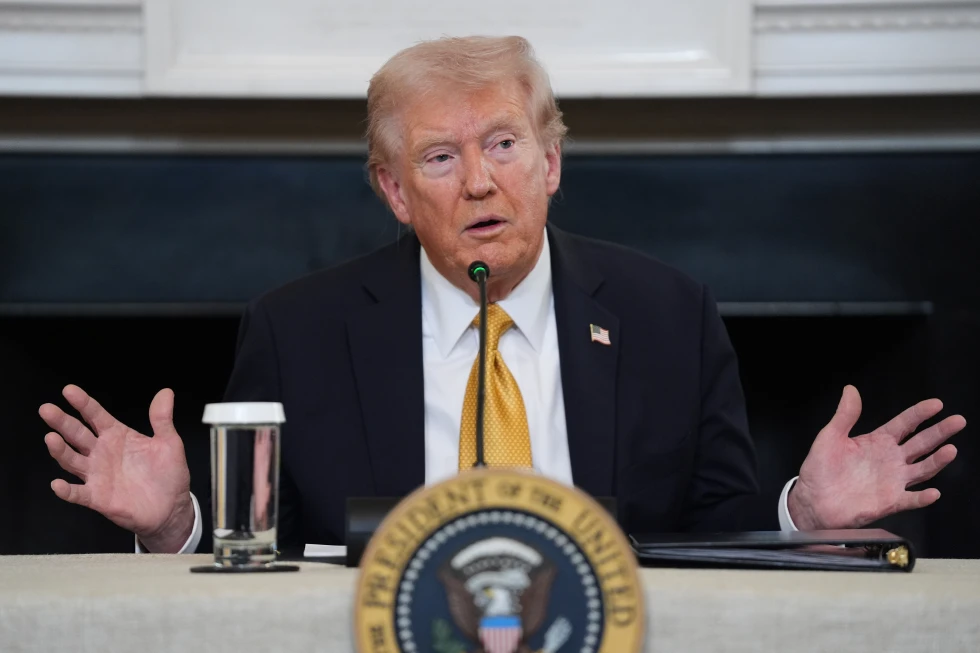
In a dramatic twist that has once again brought U.S.–Canada relations into the spotlight, former U.S. President Donald Trump has announced that he is terminating trade talks with Canada, citing “disrespectful and dishonest” television advertisements aired in the country. The move has sent ripples through diplomatic and business circles, with analysts warning of potential economic and political fallout between the two close allies.
Speaking at a rally in Ohio, Trump lashed out at Canadian media and officials, alleging that the ads in question “maliciously misrepresented” his economic policies and portrayed him as anti-trade. “We were having great talks with Canada — tremendous talks — but then they started running fake ads on television. Total disrespect. So we’re done. No more trade talks until they learn how to treat the United States fairly,” Trump declared to a cheering crowd.
While details of the advertisements remain unclear, sources in Ottawa suggest they were part of a broader campaign defending Canada’s trade interests, particularly in sectors like dairy, energy, and technology. The ads reportedly criticized Trump’s stance on tariffs and his “America First” approach, warning Canadians about possible economic disruptions if new trade barriers were imposed.
Political experts see Trump’s reaction as both strategic and emotional. Dr. Amanda Lewis, an international relations scholar at Georgetown University, commented, “Trump has always personalized diplomacy. When he feels slighted — especially in the media — he uses it as leverage. This move is classic Trump: part negotiation tactic, part political theater.”
Canadian officials, meanwhile, have maintained a measured tone. The Canadian Trade Minister issued a brief statement saying, “Canada remains committed to constructive dialogue and fair trade. We will not engage in personal politics but will continue to advocate for the best interests of Canadians.”
The suspension of trade talks could have immediate implications for industries that rely on cross-border supply chains, especially in agriculture and manufacturing. The U.S. and Canada share one of the world’s largest bilateral trading relationships, valued at over $700 billion annually.
Observers note that Trump’s announcement may also be aimed at energizing his political base ahead of the upcoming election season. The “tough on trade” narrative has long been central to his campaign strategy, resonating strongly with American workers who feel left behind by globalization.
However, critics argue that Trump’s move could backfire, straining relations with one of America’s most reliable partners. “This isn’t just about TV ads — it’s about trust,” said political analyst Mark Daniels. “Ending trade talks over media criticism sets a dangerous precedent and undermines the stability of North American economic cooperation.”
As both nations navigate the fallout, it remains to be seen whether cooler heads will prevail. For now, Trump’s declaration marks yet another unpredictable chapter in the complex and often volatile story of U.S.–Canada relations — one where politics, pride, and personality collide.
Comments are closed.