
Threats Force Lockdowns, Class Cancellations at Historically Black Colleges Across US

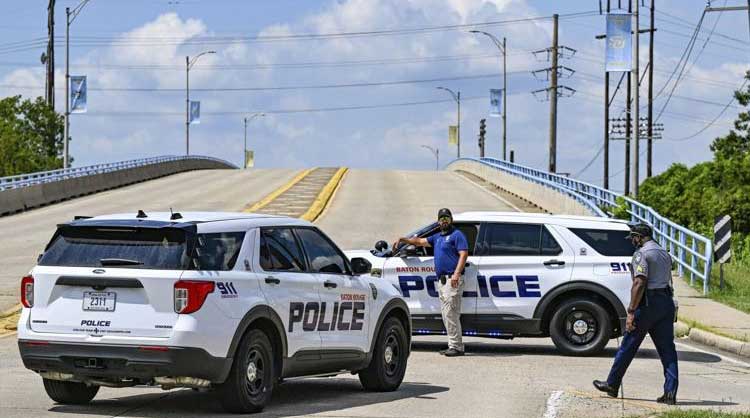
A wave of reported threats against historically Black colleges and universities (HBCUs) on Thursday forced lockdowns, class cancellations, and heightened security measures at multiple campuses across the United States.
Authorities did not disclose the nature of the threats, but no injuries were reported. The FBI said it is treating the “hoax threat calls” seriously, while noting there is “no information to indicate a credible threat.”
Though lockdowns were later lifted, several universities opted to keep classes canceled and urged students to remain cautious. The response reflects growing anxiety on campuses following recent violence, including the assassination of conservative activist Charlie Kirk at Utah Valley University, a Colorado high school shooting, and a surge of swatting incidents at the start of the school year.
Southern University in Louisiana placed its 8,200-student campus on lockdown for about an hour after reporting a “potential threat to campus safety.” At Alabama State University in Montgomery, home to 3,500 students, police ordered a campus-wide shelter-in-place before giving the all-clear roughly two hours later. Even then, students were asked to remain in dorms and classes were canceled for the rest of the day.
Other HBCUs reporting threats included Clark Atlanta University in Georgia, Virginia State University, Hampton University in Virginia, and Bethune-Cookman University in Florida. Schools that did not receive direct threats also increased security: South Carolina State University began requiring photo IDs for entry, while Spelman College in Atlanta imposed a temporary lockdown.
US Rep. Troy Carter (D-La.) condemned the threats as “reprehensible attacks,” stressing that “any threat made against HBCUs is a threat against us all” and urging “swift and decisive action.”
Experts warn swatting incidents often spike after violent events, keeping campuses on edge. “Anything that happens in the next week is going to get an overreaction than what you normally see,” said Don Beeler, CEO of TDR Technology Solutions, which monitors hoax calls and develops prevention tools.
At the start of this academic year alone, more than a dozen campuses were targeted by realistic hoax calls reporting active shooters, some accompanied by sounds of gunfire, triggering lockdowns and urgent instructions to “run, hide, fight.”
Comments are closed.