
The Dalai Lama Succession: Faith, Politics, and the Future of Tibet

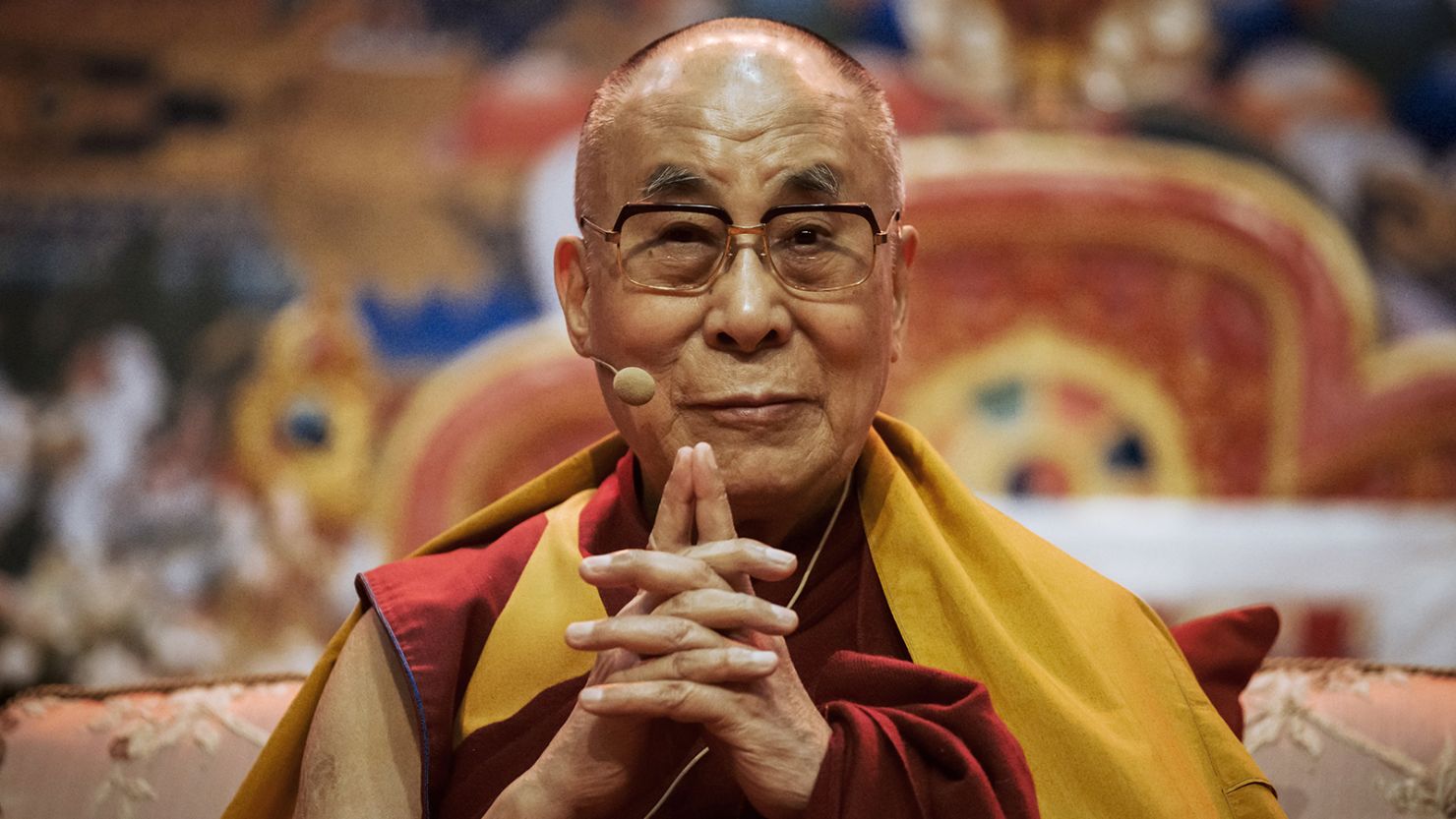
The question of who will succeed the 14th Dalai Lama is no longer just a spiritual concern — it has become a global diplomatic flashpoint, drawing in issues of religion, identity, power, and sovereignty. As the 88-year-old Tibetan spiritual leader ages, the looming question of his reincarnation has sparked a complex and high-stakes confrontation between Tibetan Buddhist tradition and the Chinese state.
What was once an intimate religious process is now a geopolitical conflict — one that could determine not only the future of Tibetan Buddhism but also the fate of an entire movement for cultural and spiritual autonomy.
The Tibetan Belief in Reincarnation
In Tibetan Buddhism, it is believed that the Dalai Lama reincarnates to continue his spiritual mission and serve the Tibetan people. The process to identify the reincarnation is long and sacred, involving divination, visions, and guidance from senior lamas.
Traditionally, the High Lamas and the Tibetan religious community are responsible for finding the next Dalai Lama — a process that can take several years and often involves a search across distant regions. The aim is to find the child believed to be the true reincarnation of the Dalai Lama’s consciousness.
China’s Claim Over Reincarnation
Beijing, however, has declared that it will assert authority over the process, insisting that any reincarnation of the Dalai Lama must be approved by the Chinese Communist Party. In 2007, China passed regulations stating that “no Buddhist reincarnation can take place without government approval.”
This policy has been widely criticized as an attempt to control and manipulate Tibetan religious traditions, effectively turning reincarnation into a tool of statecraft. China’s plan is to appoint its own Dalai Lama, likely someone who aligns with its political ideology and who could be used to undermine the legitimacy of the Tibetan exile leadership.
The Dalai Lama’s Position
The 14th Dalai Lama, currently living in exile in Dharamshala, India, has repeatedly stated that the decision about his reincarnation belongs to the Tibetan people and the Buddhist tradition, not any government. He has also left open the possibility that:
-
He may not reincarnate at all, if the Tibetan people feel the institution is no longer relevant.
-
He may choose to reincarnate outside Chinese-controlled territory, making it harder for Beijing to legitimize a state-appointed successor.
He has even discussed the idea of a female Dalai Lama or of ending the lineage altogether to prevent political misuse.
India’s Role and Regional Sensitivities
India, home to the Dalai Lama and the Tibetan exile community, is watching the developments closely. While New Delhi officially recognizes Tibet as part of China, it continues to offer asylum and support to the Tibetan spiritual leadership, walking a delicate diplomatic tightrope.
The reincarnation issue is also tied to India-China tensions in border regions such as Arunachal Pradesh, where China claims the Tawang Monastery area, a historically significant site in the Dalai Lama lineage.
India’s decision to support — even quietly — a reincarnation process outside Chinese control could have far-reaching geopolitical consequences.
A Global Religious and Political Crisis
This is no longer just a question of spiritual leadership — it is a test of:
-
Religious freedom
-
Cultural identity and survival
-
Global stance on authoritarian control over spiritual traditions
Governments, human rights groups, and Buddhist organizations across the world are increasingly vocal about the need to protect the sanctity of Tibetan religious traditions from state interference.
If China proceeds with naming its own Dalai Lama, it could create a schism in global Tibetan Buddhism, with rival claimants dividing followers and undermining the unified leadership Tibet has had for centuries.
More Than a Spiritual Transition
The reincarnation of the Dalai Lama may seem like a metaphysical concern, but it is a battle for the soul of Tibetan identity, for autonomy, and for the global principle of freedom of belief. It is a reminder that in the modern world, even ancient spiritual traditions are not immune to the forces of state power and geopolitical strategy.
Comments are closed.