
The Climate Loop: Air Conditioners Cool Our Homes but Heat the Planet

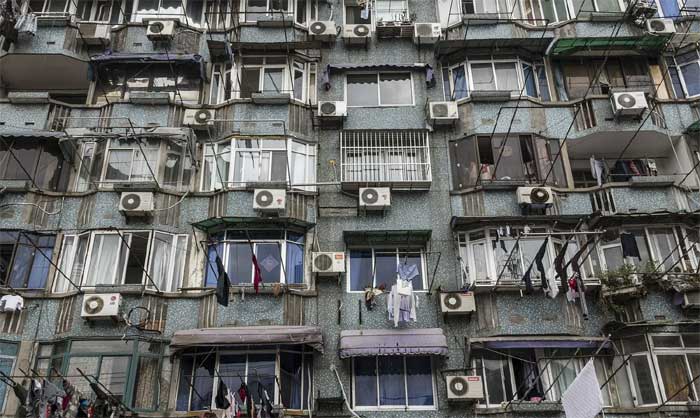
India’s love affair with air conditioners is exploding, and so is the country’s electricity consumption. With heatwaves becoming longer, harsher and more frequent, cooling is no longer a luxury—it’s a necessity. But new projections warn that India’s AC surge could overwhelm power systems and drive emissions sharply upward unless efficiency policies improve quickly.
India’s Big Cooling Challenge
The International Energy Agency (IEA) projects that India could see a 4.5-fold jump in air conditioner ownership by 2035, pushing the total number of units past 200 million.
If this trend continues, India’s cooling-related electricity consumption alone could surpass the entire power use of countries like Mexico.
This rapid rise doesn’t just inflate energy bills—it creates massive evening peak loads. Each AC adds a spike, and millions running at once could push India’s power infrastructure to breaking point.
With extreme heat already driving seasonal surges in demand, cooling is becoming central to public health, productivity, and survival.
But without stronger efficiency standards, ACs may worsen the very climate crisis they help people escape. India’s cooling future is guaranteed—the real question is whether it becomes smarter and cleaner, or more polluting and expensive.
Cooling Could Reshape Global Energy Demand
The IEA highlights a global trend: rising temperatures, growing populations and economic development are fueling record demand for cooling.
Key facts:
-
3.5 billion people live in regions with extreme heat.
-
Yet only 15% of them own an AC.
-
In 2024, global average temperatures touched 1.5°C above pre-industrial levels, intensifying extreme weather events.
In emerging economies, more than 80% of the world’s projected cooling-related electricity demand by 2050 is expected to come from rising AC use.
Cooling, once a symbol of comfort, is fast becoming a marker of climate vulnerability and economic transition.
Efficiency & Policy: The Need of the Hour
Not all ACs are created equal. Cheaper models often consume far more electricity for the same cooling—and since much of India’s power still comes from coal, that means higher emissions.
According to IEA estimates, a nationwide shift to high-efficiency ACs could reduce India’s future peak electricity load growth by up to 20%.
The urgency is clear: the number of ACs in India is projected to increase ninefold between 2020 and 2040.
Indonesia offers a glimpse of what’s coming—AC ownership there is projected to rise from 14% in 2023 to 85% by 2050.
But better cooling doesn’t depend on machines alone. Urban planners stress the importance of cooler buildings, better insulation, smarter ventilation, and more green cover—all of which reduce indoor heat and lower reliance on ACs.
Comments are closed.