
Tesla Held Partly Liable in Autopilot Crash, Ordered to Pay $243 Million in Damages

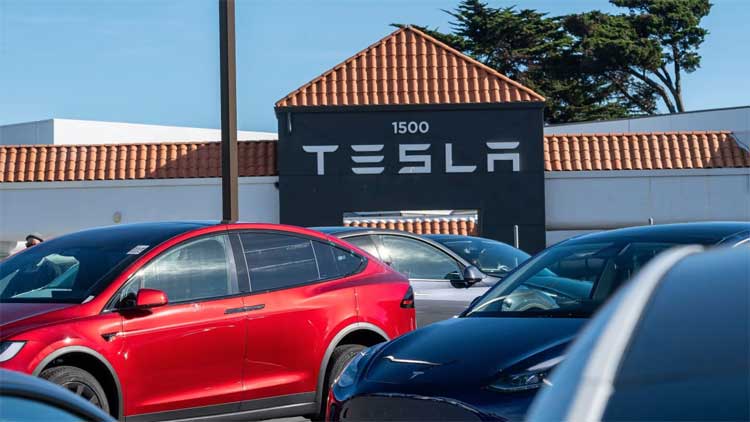
A federal jury in Miami has found Tesla partially responsible for a 2019 fatal crash involving its Autopilot system, ordering the company to pay over $243 million in damages.
The case centered around a deadly collision in Key Largo, Florida, where 22-year-old Naibel Benavides Leon was killed and her boyfriend Dillon Angulo severely injured when Tesla driver George McGee, distracted by his cellphone, slammed into their parked car at 62 mph.
Despite McGee admitting fault, the jury concluded Tesla bore significant responsibility for the crash, ruling that its driver-assist technology failed to prevent the collision and allowed use on roads it wasn’t designed for. The verdict includes $200 million in punitive damages and $43 million in compensatory damages attributed to Tesla.
The decision marks a rare courtroom loss for Tesla, which typically settles such cases out of court. Legal experts say it could set a precedent for future lawsuits involving semi-autonomous driving systems. “This will open the floodgates,” said attorney Miguel Custodio, who was not involved in the case.
Plaintiffs also accused Tesla of withholding key data—including crash footage and system records—alleging it either lost or concealed the evidence. A forensic expert later uncovered the data, undermining Tesla’s denials. “We finally learned what happened that night—that the car was actually defective,” said Benavides’ sister, Neima.
Tesla denied wrongdoing and vowed to appeal, stating the verdict “sets back automotive safety” and unfairly shifts blame from a distracted driver to the vehicle. Tesla maintains that drivers are warned to stay attentive and that McGee’s own negligence, including previous safe crossings at the same intersection, clearly points to user error.
However, lead plaintiff attorney Brett Schreiber argued that Tesla’s branding of the system as “Autopilot” misleads users about its capabilities, allowing overreliance on the tech. “Words matter,” he said. “If someone is playing fast and loose with words, they’re playing fast and loose with facts.”
Though Tesla says a pre-trial agreement may reduce its payout to $172 million, the plaintiffs argue the company is still bound to the full amount awarded.
The case has drawn attention across the auto industry, raising critical questions about liability in semi-autonomous vehicles and whether driver-assist technology can truly share blame when accidents occur—even with distracted drivers behind the wheel.
Comments are closed.