
Tackling Climate Change in the Maritime Sector at the IMO-UNEP Innovation Forum

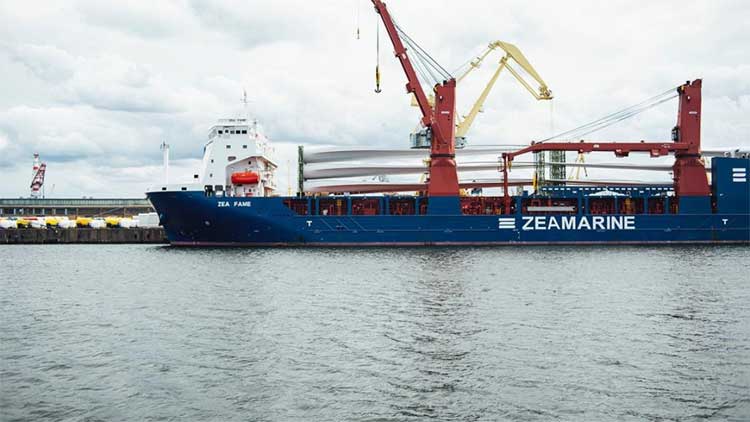
Global greenhouse gas emissions have continued to rise despite international climate commitments, highlighting the urgent need for action across major industries.
According to the latest Emissions Gap Report, global GHG emissions increased by 1.4 per cent annually over the past decade, reaching a record 59.1 gigatonnes of carbon dioxide equivalent in 2019. The shipping sector alone contributed nearly 2 gigatonnes of CO₂ in 2018, underlining its significant environmental footprint.
With the goals of the Paris Agreement in focus, reducing emissions from maritime transport has become a key priority. To accelerate the sector’s transition towards cleaner operations, the International Maritime Organisation (IMO) and the United Nations Environment Programme (UNEP), supported by the Norwegian government, organised the IMO-UNEP-Norway Zero- and Low-Emission Innovation Forum in September 2021. Held virtually, the forum served as a global platform to promote innovation and collaboration for maritime decarbonisation.
Shipping plays a vital role in global trade, with around 60,000 cargo vessels transporting more than 80 per cent of world trade by volume and carrying nearly 11 billion tonnes of goods annually. However, decarbonising this vast network remains a major challenge. Currently, there is no single low- or zero-carbon fuel suitable for all shipping needs. Different routes, cargo types, and vessel designs require diverse fuel solutions, while large-scale investments in technology and infrastructure are essential.
Ensuring an inclusive transition is another major concern. Many small island developing states and least-developed countries rely heavily on sea transport for economic stability, making equitable access to clean technologies crucial. Any global shift towards low-emission shipping must avoid leaving vulnerable regions behind.
The IMO has taken several steps to curb maritime emissions. It introduced mandatory energy-efficiency measures in 2011, which have been strengthened over time. In 2018, the organisation adopted its Initial Strategy to reduce greenhouse gas emissions from shipping, outlining a roadmap towards eventual carbon neutrality. This strategy was scheduled for revision in 2023 to align with evolving climate targets.
Knowledge-sharing and innovation remain central to this transition. The IMO-UNEP-Norway forum brought together policymakers, environmental experts, technology developers, industry representatives, and financial institutions to exchange best practices and showcase successful pilot projects. Through focused discussions and collaborative sessions, the forum aimed to identify practical solutions and scale up climate action across the maritime sector.
By fostering global cooperation and encouraging technological breakthroughs, such initiatives seek to drive the shipping industry towards a sustainable, low-emission future.
Comments are closed.