

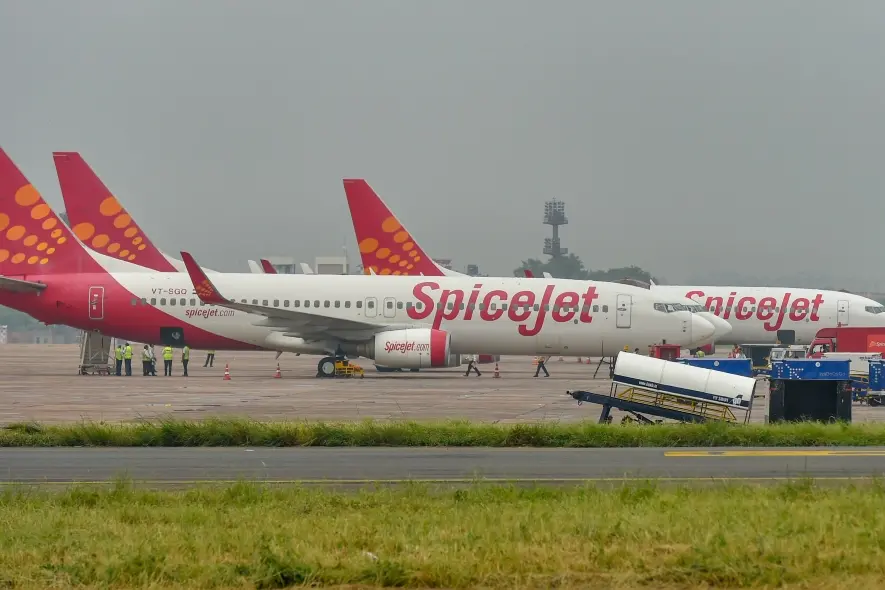
A dramatic incident unfolded on a SpiceJet flight from Delhi to Mumbai, highlighting serious security concerns in the aviation sector. Two passengers attempted to forcibly enter the cockpit, leading to significant disruption and a substantial delay.
The Incident Unfolds
On July 14, 2025, SpiceJet flight SG 9282, scheduled to depart Delhi’s Indira Gandhi International Airport at 12:30 PM, encountered chaos while taxiing. Two passengers reportedly tried to approach the cockpit, prompting immediate action from the crew. Despite repeated requests from the cabin crew, fellow passengers, and the captain, the individuals refused to return to their seats. The situation escalated to the point where the captain aborted takeoff and returned the aircraft to the bay, prioritizing the safety of all onboard.
Response and Resolution
The two passengers were offloaded and handed over to the Central Industrial Security Force (CISF) for further investigation. The incident caused a delay of nearly seven hours, with the flight finally departing at 7:21 PM, as tracked by Flightradar24. SpiceJet issued a statement emphasizing that the disruptive behavior posed a significant safety risk, reinforcing the airline’s commitment to passenger and crew security. Details about the passengers’ motives remain unclear, though some reports suggest a possible altercation related to air-conditioning issues.
Broader Context
This incident adds to recent challenges faced by SpiceJet, including technical issues and other passenger-related disruptions reported in July 2025. The airline’s response underscores the strict protocols in place to handle such situations, though it raises questions about passenger behavior and security measures in Indian aviation. Authorities are likely to review the event to ensure compliance with safety regulations.
Looking Forward
As investigations continue, the episode serves as a reminder of the complexities airlines face in maintaining order and safety. For SpiceJet, this incident could prompt a reevaluation of passenger screening or onboard management strategies to prevent future disruptions.
Comments are closed.