
SC declines Karnataka theatre body’s plea for protection to screen ‘Thug Life’

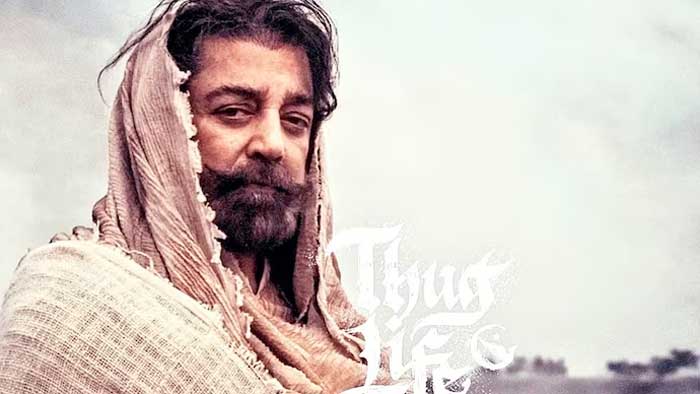
The Supreme Court on Monday refused to entertain a plea by a Karnataka theatre association seeking an immediate hearing and protection to screen actor Kamal Haasan’s film Thug Life, which has not been released in the state following a controversy over the actor’s remarks on the Kannada language.
A bench of justices Prashant Kumar Mishra and Manmohan declined to intervene, asking the association to approach the high court instead. “Install fire extinguishers,” remarked the bench, after the lawyer claimed “fringe elements” in Karnataka had threatened to set theatres on fire if the film was screened.
The controversy originates from a comment made by Haasan at the audio launch of Thug Life in Chennai on May 24, where he reportedly said Kannada was “born out of Tamil,” sparking widespread backlash in Karnataka. The Karnataka Film Chamber of Commerce (KFCC) responded by barring the film’s screening in the state and demanding an apology.
Last week, Haasan’s counsel informed the Karnataka high court that the actor and his production house, Raajkamal Films International, had voluntarily decided to defer the film’s release in the state while seeking dialogue with the KFCC. The court had suggested Haasan offer an apology, observing that while he may be a celebrated actor, he had no right to hurt the sentiments of Kannadigas.
“You are not an ordinary man. You are a public figure. You create a circumstance, cause unrest, and now you want protection from the state machinery. This entire situation could have been solved with a simple apology,” Justice M Nagaprasanna said during last week’s hearing on a separate plea seeking police protection for the film’s release.
Senior advocate Dhyan Chinappa, appearing for Haasan on June 3, maintained that the actor had expressed deep respect for Kannada and its people and had no intent to offend. “Apology is required only if there is malice. There is no malice here,” he said. Chinappa added that Haasan’s written statement to the KFCC reflected his goodwill and affection, and that he should not be compelled to apologise in a “prescribed format.”
But the high court remained unconvinced. Justice Nagaprasanna, quoting Shakespeare, said, “Discretion is the better part of valour,” and pressed Haasan to show humility. The judge also criticised the tone of the actor’s written statement, calling it a “declaration of justification” rather than a conciliatory gesture.
“This is not an apology. There is not even a line that says, ‘If I have hurt anyone’s sentiments, I apologise.’ Even C. Rajagopalachari made a similar remark 75 years ago and later apologised,” the judge said.
The court also questioned the logic of seeking protection without making an effort to ease tensions. “You want police protection, but are unwilling to utter one word that could calm the unrest. You are sticking to your stand because of your ego,” said Justice Nagaprasanna.
The controversy has taken on political overtones, with several Kannada organisations and political commentators alleging that the backlash has been fuelled by segments of the ruling establishment. Haasan’s counsel subtly hinted at this, suggesting that the opposition to the film’s release may be “aided by some support from the Karnataka government.”
Granting a request for adjournment, the high court posted the matter for further hearing on June 10, while reiterating its earlier advice to Haasan: “Even now, remember — discretion is the better part of valour.”
In its formal order, the court recorded that Haasan’s remarks had “stirred a hornet’s nest” and caused “unrest among the people of Karnataka.” It issued notices to the state government and the KFCC and reserved further directions until the next hearing.
Comments are closed.