
Russia, China Tout Gas Pipeline Deal, but Big Questions Remain

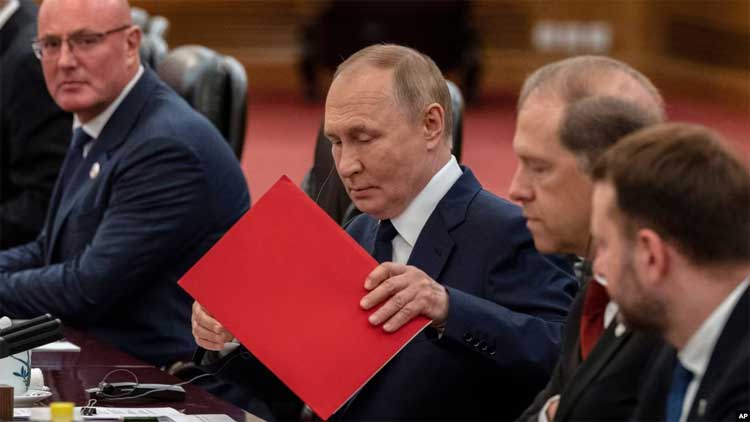
Gazprom’s chief executive Alexei Miller says Russia has struck a deal with China to build the Power of Siberia 2 pipeline — but analysts warn the agreement leaves major questions unanswered.
On paper, the 6,700-kilometer project would help Moscow replace some of the massive revenues lost when Europe slashed Russian gas imports after the invasion of Ukraine. Running from western Siberia through Mongolia to China, it would allow Gazprom to redirect supplies once sent westward.
Miller called the pact with China National Petroleum Corp. a “legally binding” memorandum, framing it as proof of Russia and China’s growing partnership in defiance of the United States.
Limited Relief for Moscow
The proposed pipeline could deliver 50 billion cubic meters (bcm) of gas annually — only a fraction of the 180 bcm once piped to Europe. It would supplement the existing Power of Siberia 1, which carries 38 bcm from eastern Siberia.
But Miller offered no details on financing, timelines, or pricing, underscoring what experts say is more political theater than commercial breakthrough.
“This is about showing Russia, India and China standing up to Western sanctions and US LNG,” said Michal Meidan of the Oxford Institute for Energy Studies. Annette Bohr of Chatham House called it “a step forward” for Gazprom, but noted: “There’s no definitive pricing agreement, no confirmed schedule. It’s not a done deal.”
Beijing Holds the Cards
Negotiations have dragged on for years because Beijing has pushed hard for discounts. Analysts say Russia has little choice but to accept.
“China is definitely in the driver’s seat,” said Bohr. Carnegie Russia Eurasia Center director Alexander Gabuev agreed: “China has multiple gas options. Russia has to accommodate Chinese terms. That gives Beijing tremendous leverage.”
Does China Even Need It?
Uncertainty also hangs over China’s future gas demand. While Beijing is replacing coal with cleaner fuels, renewables, nuclear power, and storage technology could reduce the need for imported gas in the 2030s.
“It’s not clear China really needs Power of Siberia 2,” said Meidan. “Gas is a nice-to-have, not a must-have.”
Comments are closed.