
Rupee Breaches 90 per Dollar for First Time as Delayed India–US Trade Deal Drags Sentiment

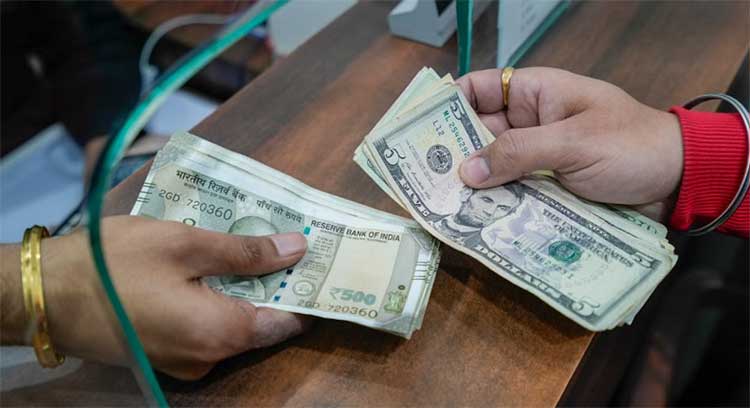
The Indian Rupee on Wednesday slid past the psychologically significant ₹90 per US dollar mark for the first time, pressured by delays in finalising an India–US trade deal, persistent foreign outflows, and muted intervention from the Reserve Bank of India (RBI).
The currency fell to a record low of 90.13 per dollar, surpassing Tuesday’s previous all-time low of 89.9475. It later traded down 0.3% on the day, with analysts warning of further depreciation amid ongoing uncertainty.
Market experts say the imbalance between rising dollar demand and limited supply has intensified pressure on the rupee. “Exporters are not selling dollars aggressively since the rupee is depreciating, while the dollar demand from importers remains high,” said Ritesh Bhansali, deputy CEO at Mecklai Financial Services, in a comment to Bloomberg.
Trade Deal Delay Adds to Market Worries
According to Barclays, a breakthrough in the long-pending India–US trade pact could offer some relief, but until then, volatility is likely to persist. With the rupee having breached the crucial 90 level, HDFC Securities expects the currency could slip further to 90.30 in the coming days.
India remains one of the few major economies yet to finalise a trade agreement with Washington. Officials maintain optimism about concluding one soon, but the prolonged delay has soured investor sentiment.
Tariffs and Imports Deepen Pressure
The situation has been compounded by steep 50% tariffs on Indian goods, which have hurt exporters. At the same time, strong imports have kept demand for dollars elevated. These pressures have widened India’s current-account deficit in the September quarter and contributed to the rupee’s steady slide.
Asia’s Worst-Performing Currency This Year
The rupee has now declined 4.9% in 2025, making it Asia’s weakest currency so far this year. Foreign investors have pulled $16 billion from Indian equities, raising concerns about capital flight.
Analysts warn that sustained depreciation could stoke inflation, especially in fuel prices, given India’s dependence on crude oil imports. A prolonged slide may also deter further investment, exacerbating macroeconomic challenges.
For now, all eyes remain on the status of the India–US trade negotiations — a development that could determine whether the rupee stabilises or continues its downward trajectory.
Comments are closed.