
Rubio says US ready to help end Ukraine war, seeks ‘new ideas’ after stalled peace talks

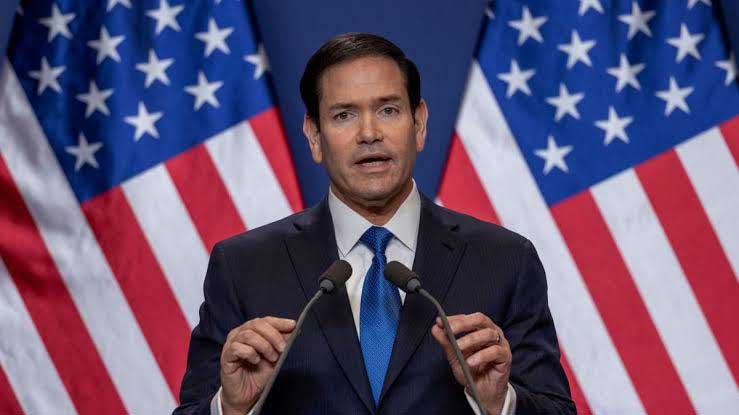
US Secretary of State Marco Rubio on Thursday said the Trump administration remains committed to helping end the war in Ukraine, while acknowledging that previous diplomatic efforts have failed to produce a breakthrough and that fresh ideas will be needed to achieve a lasting peace.
Speaking after talks with Russian Foreign Minister Sergey Lavrov on the sidelines of the ASEAN foreign ministers’ meeting in Manila, Rubio said Washington was prepared to facilitate negotiations if conditions became favourable.
“We’ve tried and we’ll continue to try to find a middle ground that both sides can accept,” Rubio told reporters, adding that ending the conflict would require sustained diplomacy rather than a quick solution.
Russia reiterates stance
According to Russia’s Foreign Ministry, Lavrov told Rubio that Moscow opposed further Western arms supplies to Ukraine and remained open to a political and diplomatic settlement based on understandings reached during last year’s Trump-Putin summit in Alaska.
Rubio, however, said the US would continue supporting Ukraine through weapons purchased by NATO allies and transferred to Kyiv, while stressing that any peace agreement must be acceptable to both sides.
Ukrainian President Volodymyr Zelensky separately reaffirmed that his priority remains restarting peace negotiations.
Iran tensions remain high
Rubio also addressed escalating tensions with Iran, saying Tehran was seeking talks but was not yet prepared to agree to a durable deal.
He defended President Donald Trump’s hardline approach, warning that Iran would face severe consequences for attacks on shipping in the Strait of Hormuz.
Trump has threatened to destroy Iranian infrastructure for every attack on commercial shipping, while Iranian Foreign Minister Abbas Araghchi responded by saying Tehran would follow an “eye for an eye” policy.
South China Sea dispute
The ASEAN meetings also focused heavily on tensions in the South China Sea, where a fresh confrontation occurred between Chinese and Philippine vessels.
Rubio described the latest incident as “escalatory” and warned that any broader conflict between the United States and China would have significant global consequences.
Meanwhile, Australian Foreign Minister Penny Wong criticised China’s recent missile test from a nuclear-powered submarine, calling it “provocative and destabilising” due to the lack of transparency with regional countries.
China defended the launch as part of routine military exercises and accused the Philippines of provoking the latest maritime confrontation near the disputed Scarborough Shoal.
ASEAN members continue negotiations with Beijing on a long-awaited code of conduct aimed at preventing armed conflict in the strategic waterway, one of the world’s busiest trade routes.
Comments are closed.