
Rotavirus Vaccine Proven Effective Against Gastroenteritis in Children

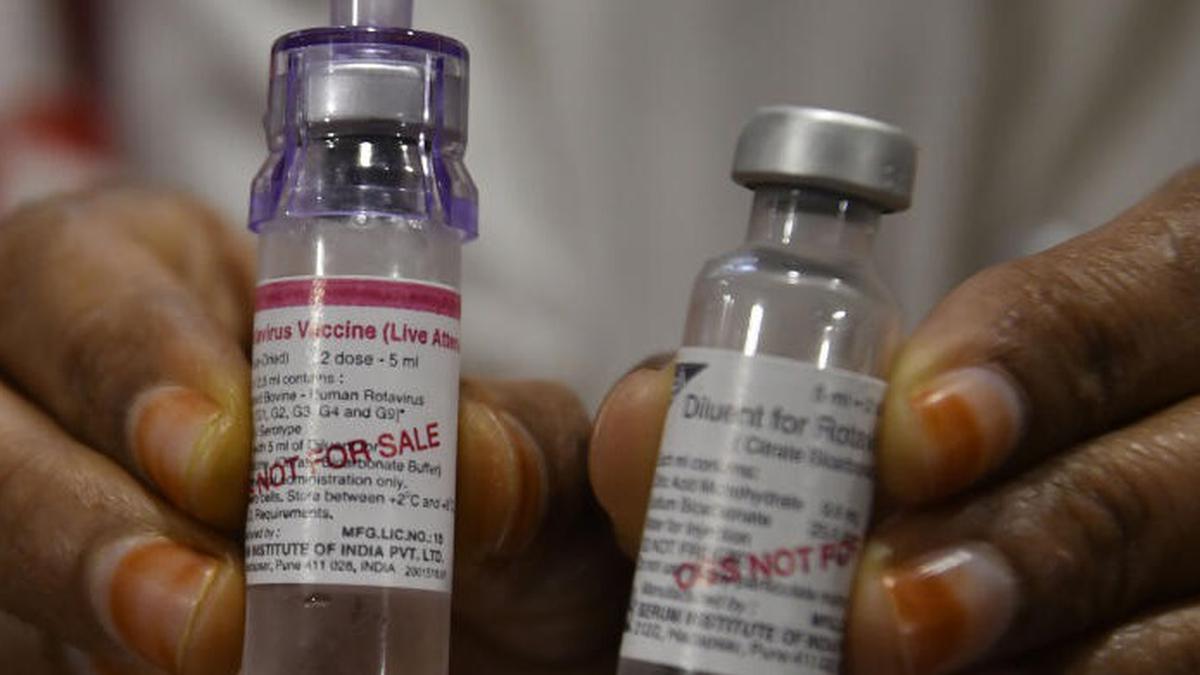
In a significant advancement for child health, recent data and clinical observations reaffirm that the rotavirus vaccine remains highly effective in protecting children against gastroenteritis — one of the leading causes of severe diarrhea and dehydration in infants and young children worldwide. Health experts emphasize that widespread vaccination has dramatically reduced hospitalizations, complications, and deaths associated with rotavirus infection across both developed and developing countries.
A Major Public Health Success
Rotavirus, a highly contagious virus, is responsible for a large proportion of diarrheal diseases among children under five years of age. Before the introduction of vaccines, nearly every child in the world was infected by the virus at least once by the age of three. The symptoms — including severe watery diarrhea, vomiting, fever, and abdominal pain — often led to dehydration that could be life-threatening if untreated.
The introduction of the rotavirus vaccine into national immunization programs has significantly changed that reality. Studies have shown that vaccinated children are far less likely to develop severe gastroenteritis requiring hospitalization. In many countries, including India, the vaccine has led to a sharp decline in rotavirus-related deaths and severe diarrhea cases, marking a milestone in pediatric healthcare.
How the Vaccine Works
The rotavirus vaccine, administered orally in two or three doses depending on the formulation, stimulates the child’s immune system to recognize and fight the virus effectively. It is typically given at 6, 10, and 14 weeks of age, often alongside other essential vaccines under national immunization schedules.
By introducing a weakened form of the virus, the vaccine helps the body build immunity without causing illness. This trained immune response ensures that if the child is later exposed to the actual virus, the body can quickly neutralize it, preventing serious infection.
Evidence of Effectiveness
Clinical evidence has consistently demonstrated the vaccine’s impact. Studies show that the rotavirus vaccine can prevent more than 85% of severe rotavirus-related gastroenteritis cases. Even in low-income regions, where sanitation and nutrition challenges are more prevalent, vaccine effectiveness remains significant, offering around 50–70% protection against severe disease — still a life-saving figure for millions of children.
In countries that have implemented the vaccine nationwide, hospital admissions for diarrhea have dropped by as much as 60%, according to health authorities. This has not only saved lives but also reduced the financial and logistical burden on healthcare systems.
Continued Importance in Developing Countries
Despite its proven success, rotavirus remains a major cause of childhood illness in many parts of the world, particularly where vaccine coverage is still incomplete. In regions with limited access to clean water and sanitation, the virus can spread quickly through contaminated food, water, or surfaces.
Public health experts stress that vaccination remains the most effective preventive tool, as improved hygiene alone cannot eliminate the virus. The World Health Organization (WHO) and UNICEF continue to advocate for universal rotavirus immunization as part of the essential childhood vaccination program.
Protecting Children, Preventing Tragedies
Pediatricians emphasize that timely vaccination is critical. Parents are urged to ensure that their children complete the full course of doses before six months of age, as early protection is key to preventing severe disease.
Moreover, combining vaccination with good hygiene practices — such as regular handwashing, safe drinking water, and proper food handling — further enhances protection against gastroenteritis of all causes.
A Step Toward Healthier Futures
The success of the rotavirus vaccine represents a triumph of modern medicine and global health collaboration. It demonstrates how science-backed public health interventions can save countless young lives and prevent suffering among the most vulnerable populations.
As Dr. Ramesh Bhatia, a pediatric infectious disease specialist, explains, “The rotavirus vaccine is one of the most powerful shields we have against diarrheal deaths in children. Every dose given is a step closer to a world where no child dies from preventable diarrhea.”
In essence, the rotavirus vaccine stands as more than just a medical innovation — it is a symbol of progress in the fight against child mortality, ensuring that every child has a stronger, healthier start to life.
Comments are closed.