
Retailtainment Transforms Shopping Malls in Saudi Arabia into Luxury Shopping Travel Destinations

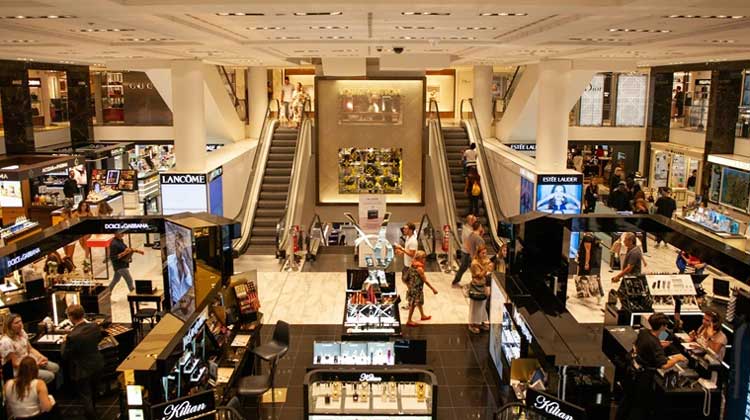
Shopping malls in Saudi Arabia are undergoing a significant transformation, moving beyond traditional retail spaces to become multifaceted entertainment and lifestyle destinations.
This shift aligns with the Kingdom’s Vision 2030, which seeks to diversify the economy, attract international tourism, and establish Saudi Arabia as a global hub for business and leisure. Today, malls in Saudi Arabia are not just shopping centers; they are becoming dynamic venues offering a fusion of retail, entertainment, culture, and dining experiences.
A New Era for Shopping Malls in Saudi Arabia
In recent years, shopping malls in Saudi Arabia have redefined their purpose, with nearly 40% of their space now dedicated to non-retail activities. This includes cinemas, interactive play areas, cultural exhibitions, live performances, and other forms of entertainment that engage visitors in novel ways. The concept of “retailtainment” is rapidly reshaping how malls are experienced, transforming them from mere shopping destinations to vibrant community hubs that cater to a diverse demographic—from families to young adults.
The integration of entertainment with shopping drives increased foot traffic and consumer spending, making these malls a lifestyle choice rather than occasional destinations. Key attractions that define these modern malls include:
-
Cinemas and entertainment complexes
-
Cultural exhibitions and live events
-
Family-friendly amusement zones
-
A mix of international and local dining options
No longer just about transactions, malls are evolving into spaces for socializing, relaxation, and immersive experiences.
Driving Economic Growth and Shaping the Retail Sector
A key element of Saudi Arabia’s Vision 2030 is the diversification and expansion of its retail sector, aiming to boost consumer spending and attract international investment. The retail market in Saudi Arabia is forecast to exceed $100 billion by 2029. Government initiatives, such as fostering a retailtainment culture, aim to blend shopping with other engaging activities, leading to higher mall visit frequencies and stimulating economic growth.
This sector growth is further fueled by the expansion of retail infrastructure, including large-scale entertainment hubs, new retail spaces, and tourist attractions. With a youthful and rapidly growing population, there’s an ever-increasing demand for a variety of retail experiences, making shopping malls an integral part of daily life for both residents and visitors.
Merging Digital and Physical Retail
As e-commerce continues its rapid growth in Saudi Arabia, physical shopping malls are adapting to the digital age. Many malls now offer seamless omnichannel experiences, integrating services like click-and-collect and digital platforms that combine the convenience of online shopping with the tactile experience of in-person visits.
This fusion of online and offline retail creates an enhanced shopping experience that appeals to the tech-savvy, on-the-go consumer. By providing both digital and physical shopping options, malls are ensuring that they remain relevant in the face of growing online shopping trends, offering the best of both worlds to shoppers.
Attracting Global Brands and Fostering Competition
Saudi Arabia’s retail market is increasingly attractive to international brands looking to tap into the Kingdom’s burgeoning consumer market. Recent regulatory reforms that allow full foreign ownership in the retail sector have made it easier for global brands to establish a presence in the country, leading to greater market competition and diversity in the products available to consumers.
Several factors are contributing to the country’s appeal to international retailers:
-
Strong purchasing power among Saudi consumers
-
High-quality retail spaces in strategic locations
-
Regulatory reforms supporting foreign investments
-
A youthful and growing population
These factors are helping to position Saudi Arabia as an exciting and competitive destination for international brands, further enriching the retail landscape and enhancing the overall consumer experience.
Overcoming Challenges in the Retail Landscape
Despite the promising growth, there are challenges that could hinder the expansion of Saudi Arabia’s retail sector. A potential concern is the oversupply of retail space, as many large-scale developments are in the pipeline. To avoid saturation, experts suggest that malls differentiate themselves by offering unique experiences, including exclusive dining options, cultural events, and interactive entertainment.
In addition, smaller, community-focused malls are gaining popularity as they offer a more localized and convenient shopping experience. These centers cater to residents who seek accessibility and a neighborhood-friendly environment, providing an alternative to the large-scale developments that dominate urban areas.
Conclusion: The Future of Shopping Malls in Saudi Arabia
The transformation of shopping malls in Saudi Arabia is an essential part of the Kingdom’s Vision 2030 plan, which seeks to enhance the nation’s retail and tourism sectors. As malls evolve into entertainment and lifestyle destinations, they provide much more than just a place to shop—they offer immersive experiences that blend culture, entertainment, and leisure.
With a focus on attracting global brands, increasing consumer spending, and fostering a competitive retail environment, the future of shopping malls in Saudi Arabia looks promising. These malls are becoming central hubs in both the country’s economic growth and in enriching the lives of its residents and visitors, positioning Saudi Arabia as a prime luxury shopping destination on the global stage.
As the Kingdom continues its journey toward becoming a leading business and tourism hub, the integration of retailtainment will play a key role in ensuring the continued success of shopping malls in Saudi Arabia.
Comments are closed.