
Record-Breaking Storms Underscore the Escalating Reality of Climate Change

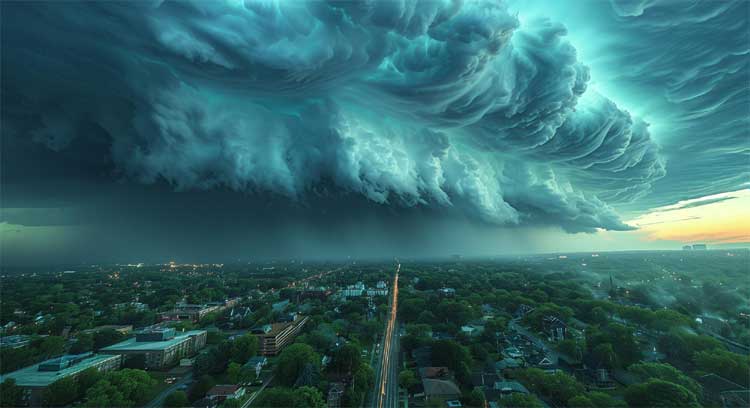
If there were any remaining doubts about the reality and human cost of climate change, this year’s extreme hurricane and cyclone season has provided stark evidence. Across multiple regions, storms of unprecedented strength have devastated communities, displaced millions and claimed thousands of lives, highlighting the accelerating impact of global warming.
The Atlantic basin alone witnessed three Category 5 hurricanes—only the second such occurrence in recorded history. Among them was Hurricane Melissa, which caused widespread destruction across Jamaica, Hispaniola and Cuba, alongside Hurricanes Erin and Humberto. In the Pacific, two major typhoons struck the Philippines within a single week, while Cyclone Ditwah inflicted catastrophic damage in Sri Lanka.
What has distinguished this season is not just the number of storms, but their extraordinary intensity, both in wind speeds and rainfall. According to the US National Oceanic and Atmospheric Administration (NOAA), Hurricane Erin recorded one of the fastest rates of intensification ever observed, while Melissa also underwent extreme pressure drops and wind acceleration. NOAA’s Accumulated Cyclone Energy (ACE) Index for 2025 stands at 132.9, signalling an above-normal and highly active season.
In Asia, Typhoon Ragasa reached sustained winds of 270 km/h, delivering torrential rainfall, floods and landslides across Taiwan, the Philippines, southern China and Vietnam. Millions were affected by power outages, evacuations and infrastructure damage, with hundreds of thousands of households plunged into darkness across multiple countries.
Scientists have long established the link between rising global temperatures and stronger storms. Warmer oceans release more water vapour into the atmosphere, fuelling cyclones with additional energy and moisture. Research shows that for every degree Celsius of warming, rainfall from storms can increase by 14 to 21 percent. With global temperatures already exceeding 1.5°C above pre-industrial levels, the effects are becoming increasingly destructive.
South and Southeast Asia have been particularly hard hit. This year alone, more than 1,000 deaths have been reported across the region due to cyclones and extreme monsoon rainfall, with Indonesia, Sri Lanka, Thailand, Vietnam and Malaysia among the worst affected. In Sri Lanka, Cyclone Ditwah has killed more than 600 people, displaced nearly a million and left hundreds still missing.
Extreme rainfall is also affecting inland regions far from coastlines. In Texas, flash flooding along the Guadalupe River earlier this year claimed nearly 300 lives, after water levels rose dramatically within minutes. Studies warn that such extreme rainfall events could become significantly more frequent and severe in the coming decades.
Coastal cities face additional risks from storm surges combined with sea-level rise, driven by melting glaciers and ice sheets. A recent climate risk study warned that a future superstorm could submerge up to 25 percent of New York City, causing damage exceeding $20 billion, flooding subway systems and overwhelming neighbourhoods far beyond existing flood zones.
Beyond immediate destruction, flooding carries long-term public health consequences. Research indicates that major floods are followed by sharp increases in mortality due to respiratory illnesses, displacement, food insecurity and infrastructure loss. Globally, these impacts translate into millions of preventable deaths over time.
At the same time, climate change is intensifying droughts in other regions, disrupting agriculture and water supplies. The United Nations’ Emissions Gap Report 2025 warns that current policies place the world on track for 2.8°C of warming by the end of the century, far exceeding the targets set under the Paris Agreement.
Scientists caution that without urgent and sustained reductions in greenhouse gas emissions, the devastation already being witnessed will intensify further. The scale and frequency of extreme weather events now unfolding underscore that climate change is no longer a future threat—it is a present and accelerating global crisis.
Comments are closed.