
Rebels, mergers and defections: Is the NDA moving closer to a two-thirds majority in the Lok Sabha?

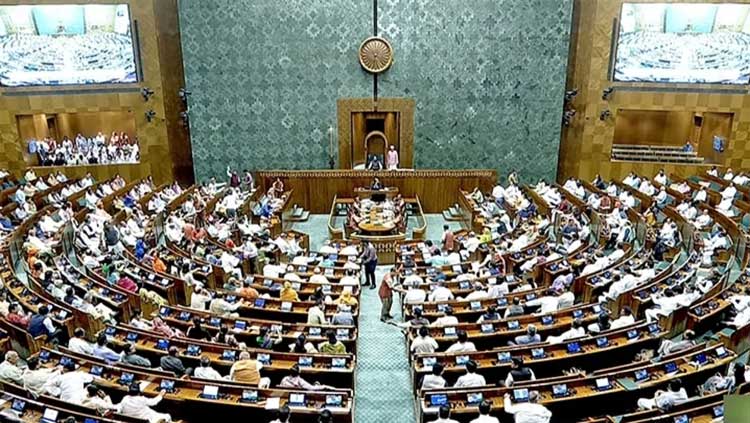
A wave of defections, rebellions and potential mergers across several major opposition parties could bring the National Democratic Alliance (NDA) closer to securing the two-thirds majority in Parliament required to pass constitutional amendments related to constituency delimitation and the implementation of the women’s reservation law.
The BJP-led alliance suffered setbacks in the 2024 Lok Sabha elections, particularly in four politically crucial states—Uttar Pradesh, Maharashtra, West Bengal and Tamil Nadu—which limited the BJP to 240 seats and the NDA to 293 seats in the 543-member House.
However, recent political developments across the country have given fresh momentum to the ruling coalition’s efforts to strengthen its numbers.
NDA eyes gains across states
In West Bengal, the proposed merger of 20 rebel Trinamool Congress MPs with the Nationalist Citizens Party of India (NCPI) could significantly bolster the NDA’s prospects. Barasat MP Kakoli Ghosh Dastidar, seen as the leading face of the rebel faction, has already indicated support for Prime Minister Narendra Modi and the NDA in Parliament.
In Maharashtra, turmoil has erupted within the Shiv Sena (UBT), with six of the party’s nine Lok Sabha MPs writing to Speaker Om Birla seeking recognition as a separate group. The development prompted the party leadership to issue a whip directing all MPs to attend a parliamentary meeting.
Shiv Sena (UBT) leader Sanjay Raut alleged that the rebels were being induced to switch sides, claiming each MP had been offered ₹50 crore, with a portion allegedly paid in advance. The BJP has not responded to the allegations.
Meanwhile, in Uttar Pradesh, speculation over a split in the Samajwadi Party intensified after state minister and Suheldev Bharatiya Samaj Party chief Om Prakash Rajbhar claimed that a major section of the SP was preparing to join the BJP. SP president Akhilesh Yadav dismissed the claims, insisting that the party remained united and accusing rivals of spreading rumours for political gain.
Tamil Nadu has also emerged as a potential battleground. Strained relations between the ruling Dravida Munnetra Kazhagam (DMK) and its ally Congress have fuelled speculation about a possible political realignment. Reports suggest informal discussions have taken place between the BJP and the DMK, though the latter has declined to comment publicly.
Numbers game in Parliament
In the Lok Sabha, the NDA currently holds 293 seats and would need around 360 members to comfortably secure the two-thirds majority required for constitutional amendments.
The coalition is also improving its position in the Rajya Sabha. The NDA currently has 149 members and is expected to increase its strength to 155 after the latest round of Upper House elections. With three vacancies arising from recent resignations of Trinamool Congress members and the BJP now commanding a majority in the West Bengal Assembly, the ruling alliance is optimistic about further gains through upcoming by-elections.
If the current political churn continues, the NDA could move significantly closer to the numbers needed to advance some of its most ambitious constitutional and electoral reforms.
Comments are closed.