
Qatar Asserts Right to Respond After Iran’s Retaliatory Strike on U.S. Bases

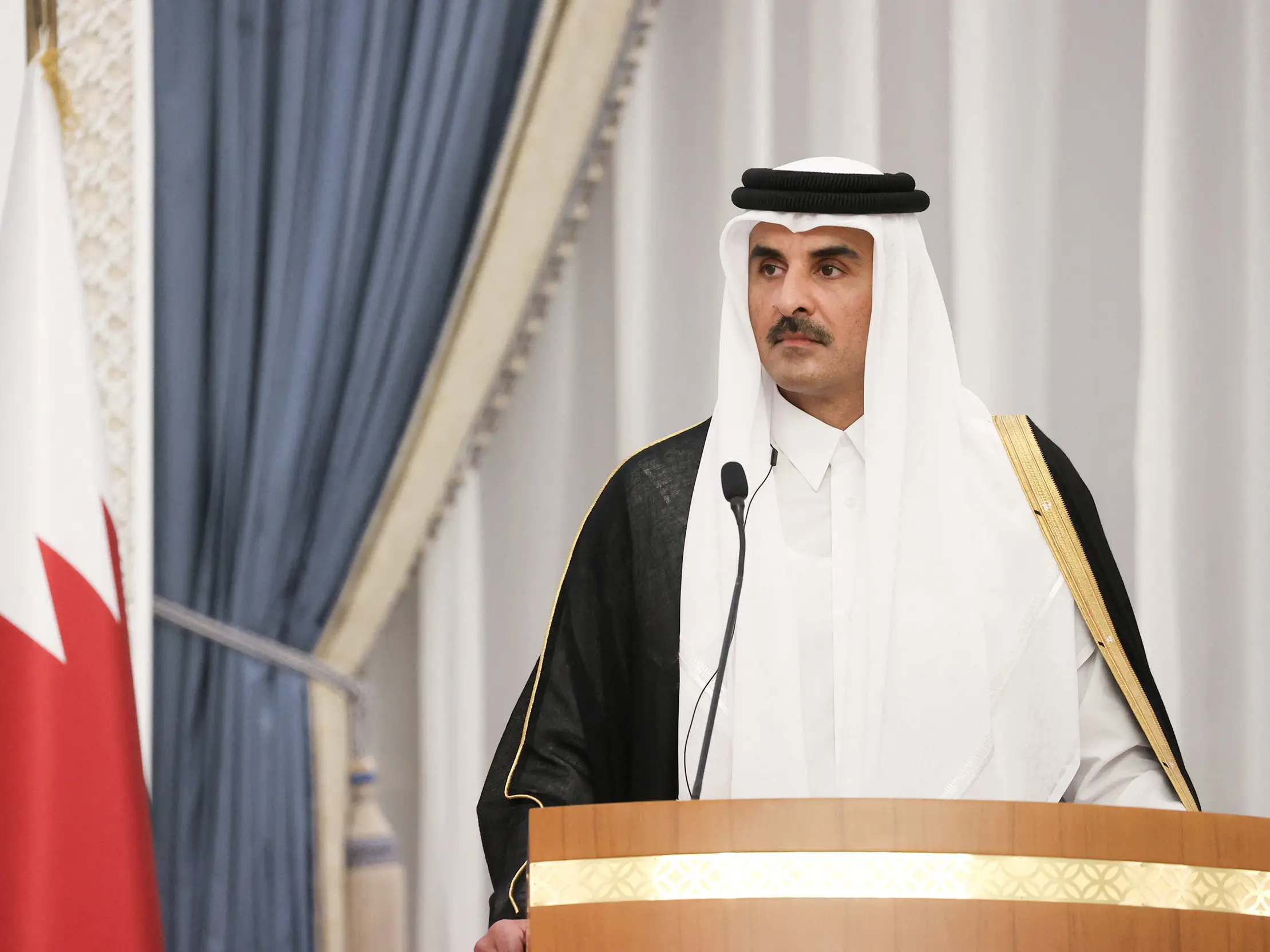
Amid rising tensions in the Gulf, Qatar on Monday issued a sharp statement asserting its sovereign right to respond in “a manner equivalent” following Iran’s retaliatory missile strike on U.S. military installations located within Qatari territory.
The announcement comes after Iran launched targeted strikes over the weekend in response to an earlier incident involving U.S. military assets in the Strait of Hormuz. Several of Iran’s missiles reportedly landed in proximity to Al Udeid Air Base, a key facility housing thousands of U.S. personnel and one of Washington’s largest overseas military installations.
Qatar Emphasizes Sovereignty and Regional Stability
In a strongly worded official communication, the Qatari Ministry of Foreign Affairs condemned any hostile act impacting its territorial integrity and reiterated that the use of Qatari soil for attacks or retaliatory measures by any state actor constitutes a red line.
“Qatar reserves the right to respond directly and proportionally to any act that threatens its sovereignty, the safety of its residents, or the sanctity of its national territory,” the ministry stated. Officials also added that consultations are ongoing with regional and global partners, including the U.S. and GCC members.
Caught Between Allies: Doha’s Diplomatic Balancing Act
While Qatar is a key strategic partner of the United States, it also maintains open diplomatic channels with Iran, positioning itself as a potential mediator in past regional disputes. Monday’s statement signals Doha’s growing discomfort with being involuntarily dragged into U.S.–Iran tensions, especially when physical threats materialize within its borders.
Analysts note that Qatar’s strategic neutrality—while hosting a major U.S. base—is increasingly under strain. “This is a turning point,” said a Gulf-based defense analyst. “Qatar is signaling that while it tolerates the U.S. military presence, it will not allow foreign rivalries to spill over onto its soil unchecked.”
U.S. and Iran: Escalation Spills Over
The latest Iranian strike was part of Tehran’s stated retaliation for alleged U.S. drone activity that reportedly targeted an IRGC naval convoy in the Persian Gulf. While the U.S. Pentagon has not confirmed damage to infrastructure or personnel in Qatar, heightened security protocols have been initiated at Al Udeid and surrounding civilian areas.
Washington has yet to issue a formal response to Qatar’s statement but has reiterated its commitment to protecting “allied nations and joint assets in the region.”
Iran, for its part, defended the scope of its response, saying it targeted “only American assets” and sought to minimize collateral impact on regional allies. Qatar, however, emphasized that regardless of intent, its territory cannot serve as a theater for transnational conflict.
Call for De-escalation and GCC Solidarity
Qatar’s statement also included a plea for restraint, urging both the U.S. and Iran to de-escalate and return to diplomatic channels. It called on the Gulf Cooperation Council (GCC) to convene an emergency meeting to address the implications of foreign military activity in the region and to formulate a collective response to external security threats.
Qatar’s unprecedented declaration marks a rare hardening of tone from the Gulf nation, which typically favors quiet diplomacy and regional mediation. As Iran–U.S. tensions show signs of spiraling, Doha appears determined to protect its sovereignty while preserving regional peace.
Comments are closed.