
POTUS Signs Executive Order Terminating Syria Sanctions, Says White House

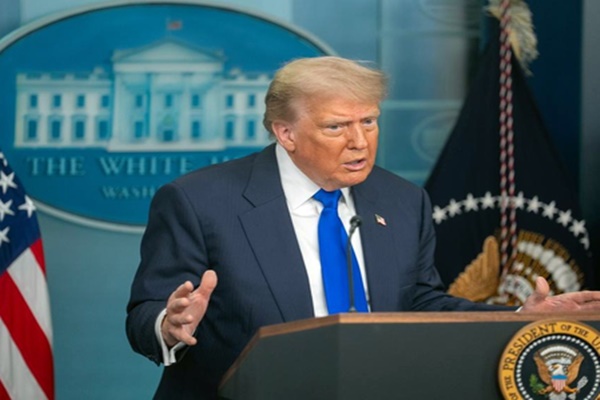
President Donald Trump has officially signed an executive order ending the longstanding U.S. sanctions program on Syria, according to a statement from the White House. The decision comes into effect immediately and marks a major shift in U.S. policy, aiming to facilitate Syria’s post-war reconstruction and reentry into the global economy.
Key Details of the Executive Order
The White House confirmed:
-
All broad-based sanctions under the national emergency and multiple executive orders from 2004 to 2011 are revoked.
-
Core targeted sanctions will remain in place for individuals and entities linked to former President Bashar al‑Assad, human-rights violators, chemical-weapons actors, drug traffickers, ISIS, and Iran-backed militias.
-
The order also calls for a review of key designations under the Caesar Syria Civilian Protection Act and Hay’at Tahrir al-Sham (HTS) listings.
Strategic Shift & Global Reactions
This move is being seen as an effort to reengage Syria diplomatically and economically, especially under interim President Ahmed al-Sharaa, who has gained recognition in regional peace-building efforts.
-
Reintegration push: Terminating the “national emergency” allows Syria’s central bank and state enterprises to reconnect with the international financial system.
-
Support for reconstruction: The administration views this decision as a tool to support Syria’s recovery and encourage reform under new governance.
-
Ongoing restrictions: Although general sanctions are lifted, targeted actions will continue against those involved in terrorism, chemical warfare, or aligned with the Assad regime.
Syria’s interim government welcomed the announcement, describing it as a turning point for national rebuilding.
Implications & Next Steps
-
Economic pathway: The U.S. Treasury has removed sanctions on over 500 individuals and entities, while maintaining restrictions on nearly 140 linked to corruption and human rights violations.
-
Guardrails retained: Sanctions on Assad-aligned figures and terror-related actors will remain to ensure continued accountability.
-
Legislative review pending: Full rollback of legal restrictions, such as the Caesar Act, will require Congressional approval.
This executive order represents a significant pivot in U.S. foreign policy toward Syria, moving from isolation to conditional engagement. While it opens avenues for reconstruction and regional diplomacy, it also preserves key safeguards to deter future abuses and terror financing.
Comments are closed.