
Peru’s President Jose Jeri Declares State of Emergency in Lima to Tackle Surging Violence

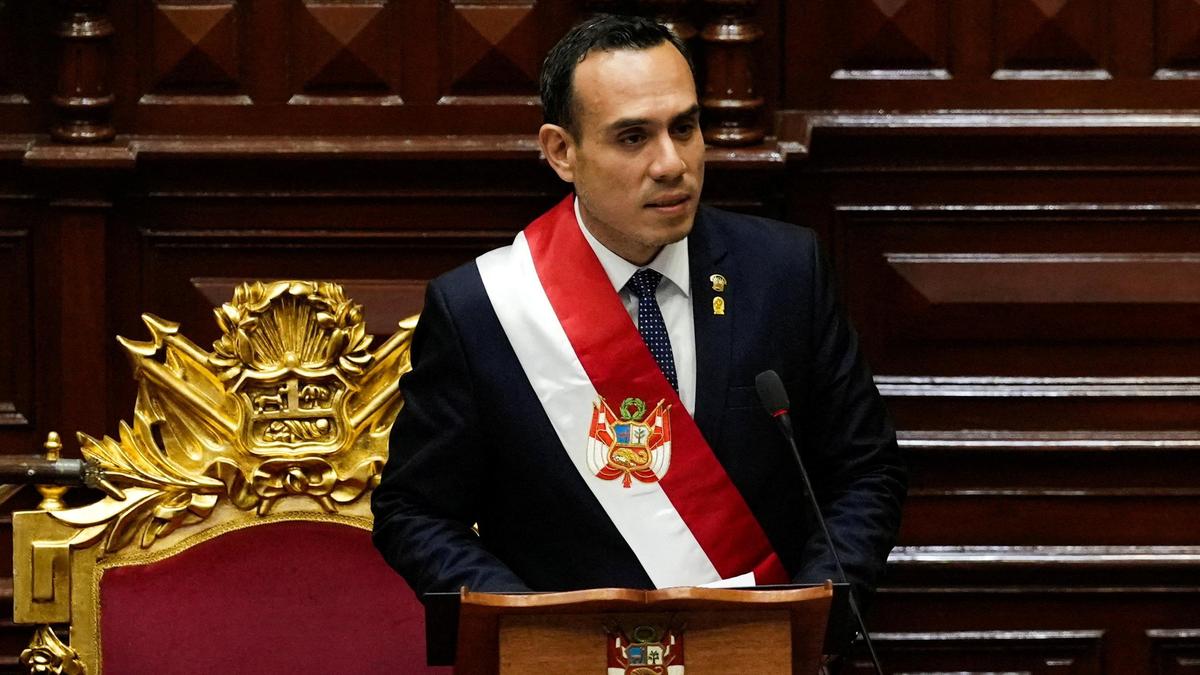
In a decisive move to restore public safety, Peru’s President Jose Jeri has declared a state of emergency in the capital city Lima, following a sharp rise in violent crime and gang-related incidents. The measure grants the government and security forces expanded powers to confront escalating insecurity that has alarmed citizens and strained law enforcement capacity in recent months.
Background: A City Under Strain
Lima, one of South America’s most populous capitals, has witnessed a troubling surge in homicides, extortion, and armed robberies. The violence has been particularly concentrated in densely populated districts where organized criminal groups, often linked to drug trafficking and extortion rings, have intensified their activities.
Public frustration has grown amid reports of businesses being targeted for protection money, street shootings in residential areas, and growing infiltration of criminal networks from neighboring countries. In response, President Jeri’s administration has opted for an emergency decree—an extraordinary tool in Peruvian governance that temporarily limits certain civil rights to enable stronger police and military interventions.
Details of the Emergency Measures
The state of emergency suspends constitutional guarantees such as freedom of assembly and movement in certain high-risk zones, allowing police and military personnel to conduct raids, checkpoints, and searches without warrants. Curfews may also be imposed in select districts, depending on the intensity of violence.
According to government officials, the decree will last 60 days initially, though it can be extended if necessary. Security operations will focus on dismantling organized crime networks, seizing illegal firearms, and controlling areas long considered “no-go zones” due to gang dominance.
President Jeri stated that the measure aims to “reclaim the streets for law-abiding citizens” and to restore a sense of normalcy in a city increasingly marked by fear and insecurity.
Public Reaction and Political Response
Public reaction has been mixed but largely supportive. Many residents, weary of rising crime, have welcomed the decision, hoping it will bring immediate relief to neighborhoods plagued by violence. Local business owners, particularly in Lima’s commercial districts, see the move as a necessary step to safeguard economic activity and attract investment.
However, human rights groups and opposition lawmakers have voiced concerns about potential abuses by security forces. They argue that while decisive action is necessary, a prolonged militarized approach could lead to violations of civil liberties and further marginalize vulnerable communities.
Government’s Broader Security Agenda
The declaration in Lima follows similar emergency measures enacted earlier this year in other regions affected by illegal mining and narcotics trafficking. The Jeri administration has been under mounting pressure to demonstrate effective leadership in tackling crime, which has become one of Peru’s most pressing national issues.
Officials have also announced that the emergency decree will be coupled with long-term initiatives, including increased funding for community policing, judicial reform, and youth employment programs aimed at preventing gang recruitment.
Regional Context and International Cooperation
Peru’s struggle with urban violence mirrors challenges faced across Latin America, where organized crime, drug trafficking routes, and socioeconomic inequality have combined to fuel instability. Analysts note that Peru’s move could open new channels for cooperation with neighboring countries and international partners, particularly in intelligence sharing and anti-narcotics operations.
Balancing Security and Democracy
The state of emergency marks a turning point for President Jeri’s administration, testing his ability to balance firm security measures with democratic accountability. The coming weeks will be critical in determining whether the crackdown successfully reduces violence without eroding civil rights.
For many Peruvians, the declaration represents both hope and uncertainty—a bold attempt to restore safety in Lima’s streets, but also a reminder of the fragile equilibrium between security, justice, and freedom in a democracy under strain.
Comments are closed.