
PCB Chief Mohsin Naqvi Warns ICC After Bangladesh Exit T20 World Cup in India

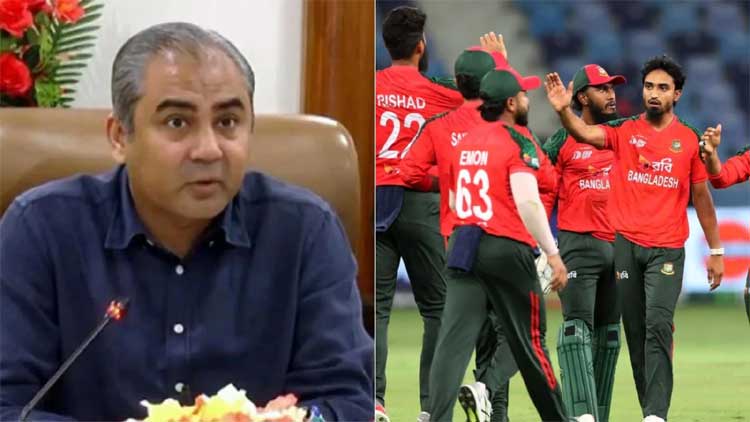
Mohsin Naqvi struck a combative, Bangladesh-first tone during a press interaction on Saturday, insisting the neighbouring country should not be marginalised at the very start of the World Cup conversation.
At the same time, the Pakistan Cricket Board chief floated a contingency scenario in which another team could be added if Pakistan were to boycott the tournament — while firmly placing the final decision with the Pakistan government rather than the cricket board.
“We have taken the position that Bangladesh is being treated unfairly. They should be allowed to play the World Cup from the very beginning. They are a major stakeholder, and this unfairness should not happen to them,” Naqvi said.
Naqvi framed Bangladesh not as a side seeking sympathy, but as an integral part of the tournament structure. By calling them a “major stakeholder,” he sought to shift the argument from fairness alone to legitimacy — suggesting a World Cup that sidelines Bangladesh risks undermining its global character.
On the possibility of Pakistan boycotting the tournament, Naqvi pointed to an alternative while distancing himself from the final call. “If the government of Pakistan says it won’t play, then the ICC can bring in a 22nd team. But that decision has to be taken by the Pakistan government,” he said.
The remark served a dual purpose: maintaining neutrality on whether Pakistan would follow through on its stated solidarity with Bangladesh, while also implicitly questioning the ICC’s current approach.
Naqvi was more guarded when asked whether other cricket boards were backing Pakistan and Bangladesh on a possible venue-change or participation issue. He suggested the situation was more complex than it appeared and indicated he was withholding details for now.
“That was Bangladesh’s stance. I understand there are many factors involved,” he said. “It’s better if I don’t go into it right now, but when we need to go into details, I will also explain how that decision was made.”
The interaction blended firm public support for Bangladesh with strategic restraint. Naqvi publicly challenged what he described as unfair treatment, hinted at a contingency involving an additional team, and promised greater transparency later — while keeping the immediate focus on ensuring Bangladesh is not the first side to be sidelined.
Comments are closed.