
Pakistan’s Dual Diplomacy: Islamic Rhetoric Meets Western Realpolitik in a Shifting Geopolitical Landscape

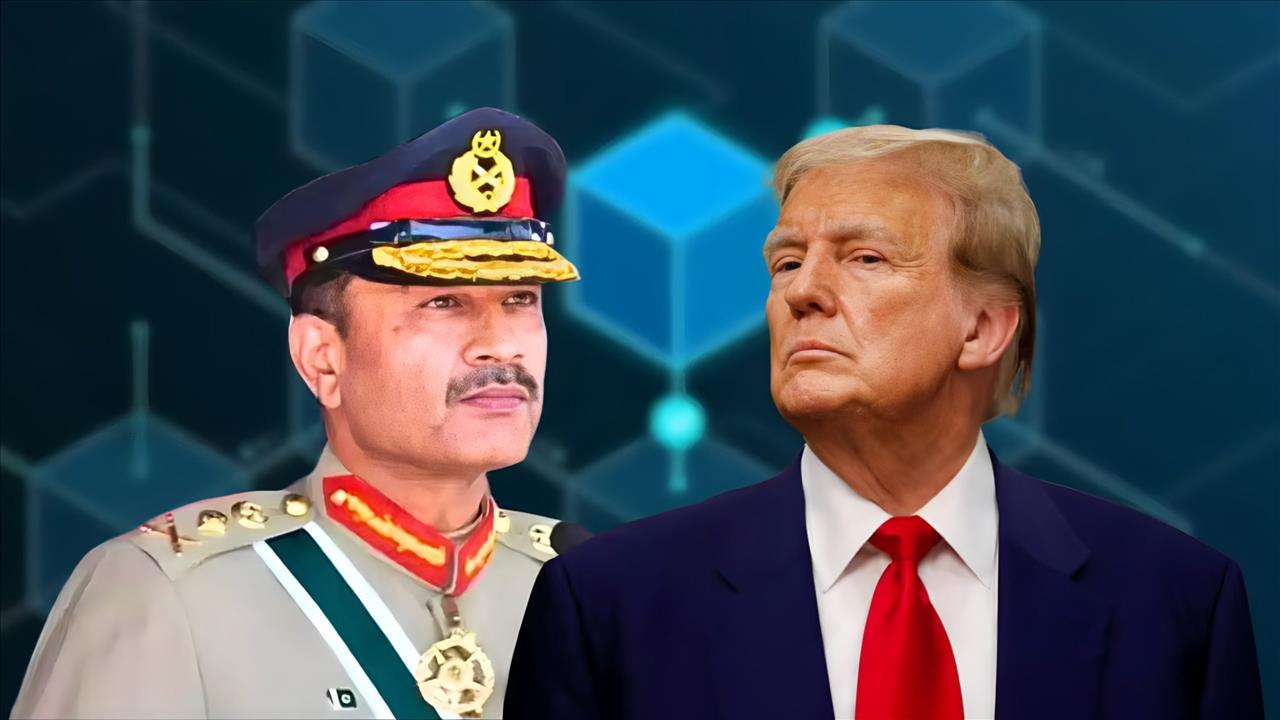
In a region marked by turbulent geopolitics and shifting alliances, Pakistan is once again walking a tightrope between ideological posturing and strategic pragmatism. Recent developments surrounding Field Marshal Asim Munir’s high-profile visit to Washington D.C., along with Pakistan’s increasing interest in cryptocurrency regulation and AI infrastructure, signal a deliberate recalibration of its diplomatic and economic posture.
This balancing act—public Islamic solidarity versus discreet Western partnerships—is not new. But in 2025, the stakes are higher, and the playbook looks increasingly borrowed from Turkish President Recep Tayyip Erdogan: nationalist and religious rhetoric for domestic and regional legitimacy, with realpolitik-driven economic and defense deals behind closed doors.
Asim Munir in Washington: Optics and Objectives
Field Marshal Asim Munir’s week-long visit to the U.S. capital was cloaked in a mix of symbolism and strategy. Officially termed a “military-diplomatic engagement,” the visit included meetings with senior Pentagon officials, U.S. intelligence counterparts, and think tanks.
Sources familiar with the closed-door sessions suggest discussions ranged from counterterrorism cooperation and military aid to cybersecurity and digital defense frameworks—areas Pakistan is quietly expanding as part of a wider push to modernize its military and surveillance apparatus.
Munir’s visit comes amid growing internal criticism over military overreach and shrinking democratic space in Pakistan. For Washington, however, Pakistan remains a “strategically useful fulcrum”—especially as the U.S. recalibrates its influence in South and Central Asia post-Afghanistan.
Islamic Rhetoric vs. Economic Survival
Back home, Pakistan’s political and military establishment continues to frame its regional posture around Islamic causes, regularly invoking solidarity with Palestine, Kashmir, and the wider Muslim world. Statements from the Foreign Office often echo emotionally charged positions that win headlines across the Islamic bloc.
Yet, behind this façade, Islamabad is pursuing economic lifelines from the West and the Gulf, where geoeconomics increasingly trumps ideology. This includes active lobbying for IMF tranches, bilateral support from Washington and Riyadh, and new diplomatic overtures to Europe for trade concessions.
The contrast is stark—fiery rhetoric for the street, technocratic deals for survival. The comparison with Erdogan’s Turkey is not accidental: Islamabad, like Ankara, is using identity politics as a shield while cutting deals to ensure regime and institutional continuity.
Digital Ambitions: Cryptocurrency & AI Infrastructure
Adding to this evolving matrix is Pakistan’s recent signaling around embracing blockchain technologies, regulating cryptocurrency exchanges, and exploring national-level AI policies.
In early June, Pakistan’s Ministry of IT floated a draft white paper on “AI for National Prosperity”, indicating interest in building domestic capacities for machine learning, data analytics, and autonomous surveillance systems—areas traditionally dominated by global powers and private tech giants.
Simultaneously, reports of consultations with U.S.-based crypto firms and Dubai-based fintech players suggest that Pakistan is eyeing digital finance and decentralized technologies not only for modernization but also for bypassing traditional global banking constraints.
While critics warn that crypto could be misused for illicit financing or bypassing sanctions, Pakistan’s regulators appear determined to carve a controlled and nationally beneficial framework—potentially using it as a tool for diaspora remittances and digital trade.
Regional Reactions and Global Implications
India, Iran, and Afghanistan are watching these moves closely. New Delhi views Pakistan’s alignment with Washington on cyber and defense fronts with suspicion, especially in light of ongoing cross-border tensions and Pakistan’s historically ambiguous stance on non-state actors.
Tehran, meanwhile, has expressed wariness over Pakistan’s growing closeness to Gulf states and its silence on recent Israeli normalization moves by regional allies.
Yet, for Western observers, Pakistan’s pivot toward tech diplomacy, financial innovation, and quiet security coordination is a calculated gamble—designed to extract concessions while maintaining enough ideological muscle to retain its traditional constituency.
Pakistan’s current foreign policy approach, underpinned by Field Marshal Asim Munir’s central role, exemplifies a state navigating multiple contradictions in a high-stakes geopolitical moment.
From loud proclamations of Islamic unity to silent alignments with Washington and fintech hubs, Islamabad is walking a tightrope that requires finesse, timing, and flexibility.
Whether this Erdogan-style duality will stabilize Pakistan’s domestic and foreign fronts—or further expose its contradictions—remains to be seen. But one thing is clear: Pakistan is scripting a new chapter in its geopolitical playbook—one where survival and symbolism are often inseparable.
Comments are closed.