
Pakistan seeks $10 billion US currency backstop after Iran war mediation

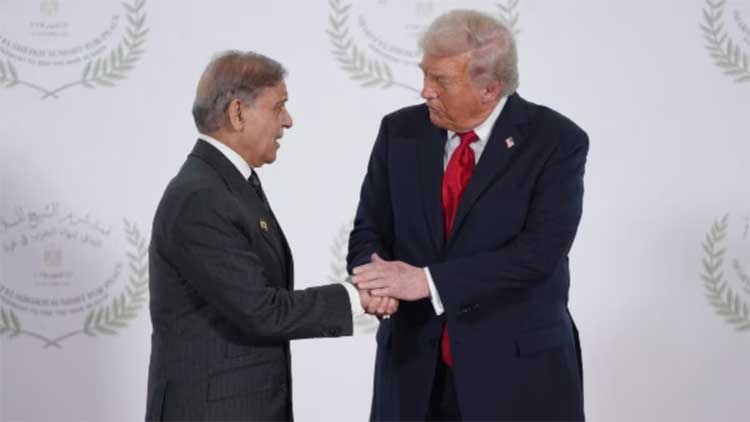
Pakistan has reportedly asked the United States for a $10 billion exchange stabilisation facility to help strengthen its foreign exchange reserves, stabilise the rupee and reduce reliance on IMF funding, according to a source familiar with the matter.
The request, made to US Treasury Secretary Scott Bessent, seeks a five-year bilateral exchange stabilisation support facility. If approved, it would provide Pakistan with a crucial financial cushion as the country continues implementing tough economic reforms under its $7 billion IMF programme.
The move comes after Pakistan’s diplomatic role in facilitating talks during the Iran war, raising hopes in Islamabad that closer ties with Washington could translate into economic support.
Neither Pakistan’s finance ministry nor the US Treasury immediately commented on the report.
Exchange stabilisation facilities are rare US Treasury-backed arrangements that provide dollars, currency swaps or guarantees to support a country’s reserves and stabilise its currency. Such facilities are distinct from the US Federal Reserve’s standing swap lines with major central banks.
Pakistan narrowly avoided a sovereign default in 2023 after securing a $3 billion IMF bailout, followed by a $7 billion Extended Fund Facility and an additional $1.3 billion climate resilience loan. However, its external finances remain heavily dependent on IMF disbursements and financial support from countries such as China and Saudi Arabia.
Analysts say a US-backed facility would not only improve Pakistan’s liquidity but also send a strong political signal, boosting investor confidence and reducing pressure on the rupee.
Islamabad has recently sought to deepen economic ties with the Trump administration through cooperation in cryptocurrency, mining, real estate and infrastructure projects, including the Reko Diq mining project and redevelopment of New York’s Roosevelt Hotel.
Comments are closed.