
Pakistan orders markets to close by 8 pm in Islamabad amid energy crunch linked to West Asia conflict

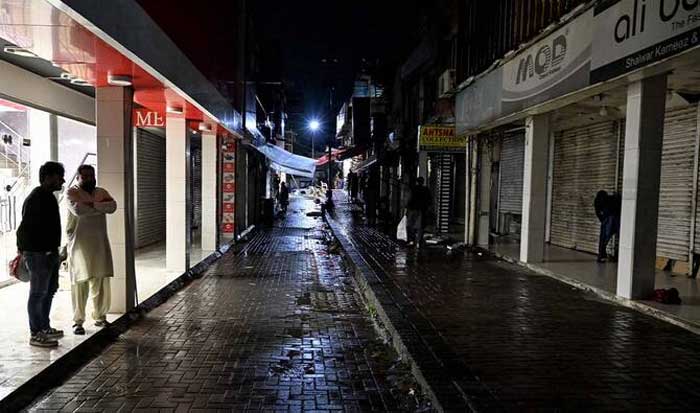
Pakistan’s capital, Islamabad, has enforced revised business operating hours, requiring markets and shopping centres to shut by 8 pm from Monday as part of an austerity drive aimed at reducing energy consumption amid soaring fuel costs triggered by the conflict in West Asia.
The district administration, led by Deputy Commissioner Irfan Memon, announced that the restrictions would remain in force throughout the week. Restaurants, grocery stores, bakeries and other food outlets will be permitted to operate until 10 pm.
“The District Administration Islamabad has enforced revised business operating hours under ongoing austerity measures, effective today (June 1, 2026),” the administration said in a post on X. It added that marriage halls, marquees and other event venues would also be required to close by 10 pm.
Essential services, including pharmacies, hospitals, petrol pumps, dairy shops, sports facilities, call centres and IT companies serving international clients, have been exempted from the restrictions.
The revised timings will also apply to functions and gatherings held on private properties.
The curbs were first introduced in March after the US-Israeli military campaign against Iran triggered a sharp rise in global energy prices. Islamabad responded with a series of austerity measures, including shorter business hours, to curb electricity consumption and ease pressure on the economy.
The conflict has intensified challenges for fuel-importing nations across Asia, with higher energy prices fuelling inflation and straining foreign exchange reserves. Governments across the region have been forced to adopt measures aimed at protecting their currencies and limiting economic fallout.
Pakistan has been particularly vulnerable to the disruption in energy markets. The conflict, which began on February 28, has unsettled oil and gas supplies after Iran blocked shipments through the Strait of Hormuz, a critical maritime route that normally carries nearly one-fifth of the world’s oil and natural gas supplies.
Although some Pakistani fuel shipments have continued to pass through the corridor, they are being transported at significantly higher costs due to elevated global energy prices.
The restrictions are likely to face resistance from traders and business owners, many of whom have traditionally opposed early market closures, arguing that commercial activity in Pakistan typically begins around midday and extends late into the evening.
Comments are closed.