
Ozone Recovery May Unexpectedly Fuel Global Warming, Study Finds

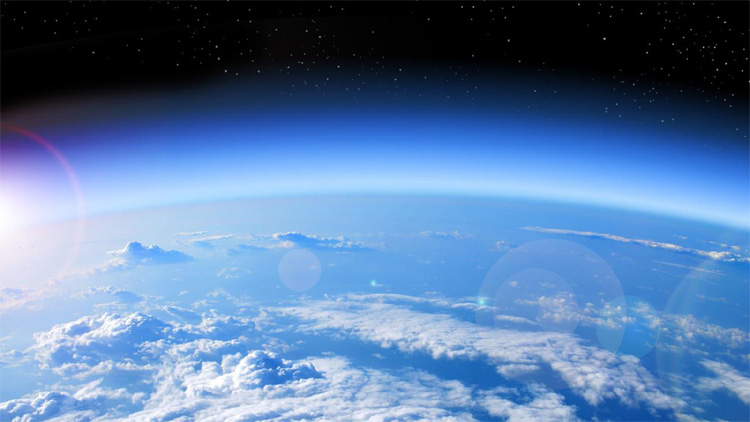
The ozone layer shields us from harmful UV rays that can cause skin cancer and damage crops, making its recovery a major environmental success. But new research warns that this healing process could also worsen global warming.
A study from the University of Reading shows that as ozone levels rise, they may trap more heat in the atmosphere — potentially driving up to 40% more warming than earlier climate models predicted. While ozone protects against ultraviolet radiation, it is also a greenhouse gas, meaning it contributes to heat retention.
The 1987 Montreal Protocol, which banned ozone-depleting chemicals like CFCs and HCFCs, led to a steady repair of the ozone layer. But with more ozone in the atmosphere, scientists now estimate an additional 0.27 watts per square meter of heat could be trapped between 2015 and 2050. For comparison, carbon dioxide is expected to add about 1.75 watts per square meter in the same period — keeping it the leading driver of climate change, but with ozone emerging as the second biggest contributor.
Even as countries cut air pollution, the ozone layer will continue to heal for decades — bringing unavoidable extra warming. Researchers stress that while protecting the ozone remains vital for human and environmental health, climate strategies must be updated to account for ozone’s evolving role in global warming.
Comments are closed.