
One Nation, One Election: Landmark Reform Deferred, Implementation Likely Post-2034

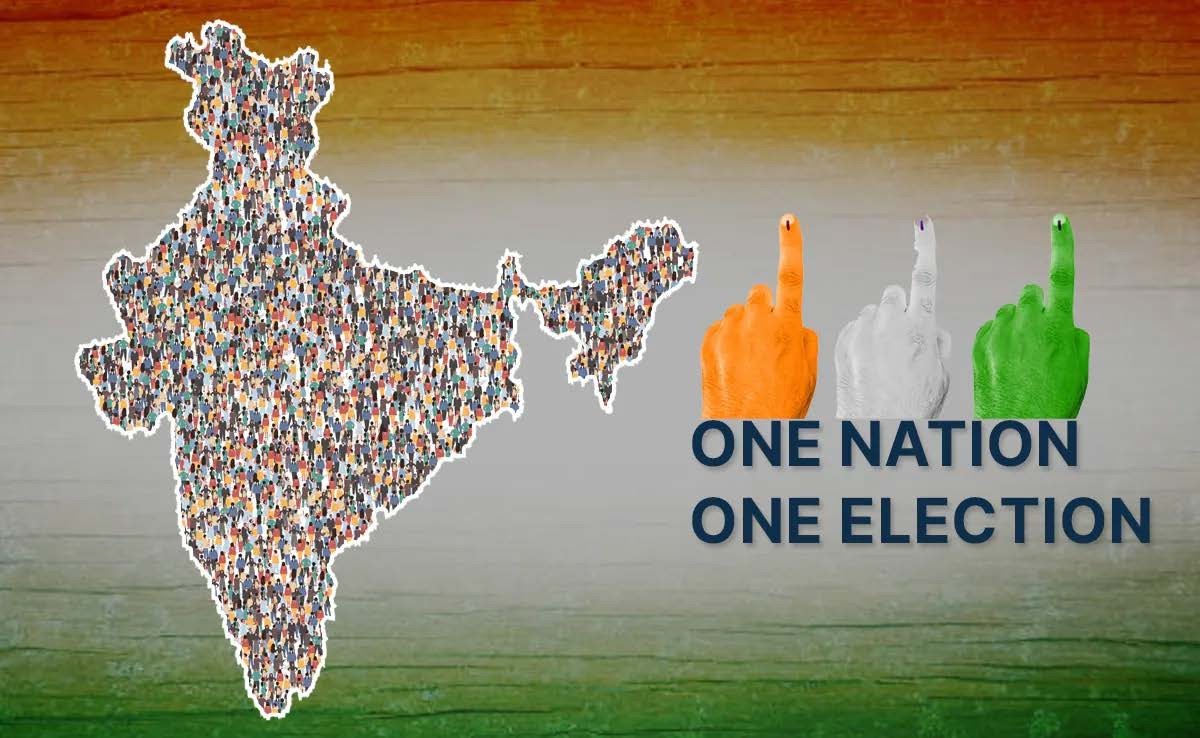
India’s democratic system is on the cusp of what could be one of its most significant electoral reforms in decades — the implementation of the One Nation, One Election (ONOE) policy. But while momentum continues to build around the ambitious proposal, its actual execution has been pushed to the distant horizon. According to BJP MP and Joint Parliamentary Committee (JPC) Chairperson PP Chaudhary, the ONOE framework is unlikely to be rolled out before 2034.
The Vision of ONOE
The idea behind One Nation, One Election is to synchronize the electoral cycles of the Lok Sabha and all State Legislative Assemblies, thereby reducing the frequency of elections and enabling governance to function more efficiently. Proponents argue that the current model — where elections happen in different states at different times — leads to policy paralysis, repeated enforcement of the Model Code of Conduct, and massive expenditure from both the government and political parties.
The central idea has received consistent backing from the Bharatiya Janata Party (BJP) and Prime Minister Narendra Modi, who has publicly championed the cause of simultaneous elections since his first term.
The 129th Constitutional Amendment Bill: A Major Step
The legislative groundwork for ONOE took a concrete form in December 2024 when the 129th Constitutional Amendment Bill was introduced in Parliament. The bill proposes sweeping constitutional changes, including alterations to Article 83 (duration of Parliament), Article 172 (duration of state legislatures), and the Representation of the People Act.
To assess the bill’s feasibility and garner consensus, a Joint Parliamentary Committee was formed, headed by PP Chaudhary. The JPC includes members from across the political spectrum, and its recommendations will be critical to the bill’s fate.
Timeline Reality Check: No Implementation Before 2034
Despite the ambitious push, PP Chaudhary confirmed this week what many experts had already anticipated — ONOE will not be implemented before 2034. The primary reasons for the delay include:
-
Logistical complexities, such as aligning elections for all states whose tenures vary significantly.
-
Legal and constitutional hurdles, requiring not just parliamentary approval but also ratification by at least half of India’s state legislatures.
-
Political consensus, which remains elusive, especially from opposition-ruled states wary of losing their electoral autonomy.
-
Administrative preparations, including the expansion of Electronic Voting Machines (EVMs), voter rolls, and election personnel on a scale never seen before. “While the vision of One Nation, One Election is transformative and necessary for long-term democratic stability, its implementation will require a detailed, phased approach. Our committee is committed to building consensus, but 2034 is a more realistic target,” said Chaudhary during a press briefing.
Mixed Reactions Across Political Spectrum
The ONOE proposal has ignited sharp debate across party lines. The BJP and its allies have argued that it will reduce the election burden, improve governance stability, and lower the enormous costs of frequent polling.
However, opposition parties have raised red flags, pointing out potential risks of centralization of power, erosion of federalism, and disadvantage to regional parties. Some critics also warn that simultaneous elections might blur the line between national and state-level issues, leading to skewed voter priorities.
What Happens Next?
The Joint Parliamentary Committee is expected to submit a detailed report by the end of 2025, outlining the constitutional, logistical, and administrative roadmap for ONOE. However, any actual rollout will likely require two full general election cycles to align the electoral calendars of all states — hence the tentative implementation year of 2034.
Comments are closed.