
One Billion Africans Still Cook with Hazardous Fuels, IEA Calls for Urgent Action

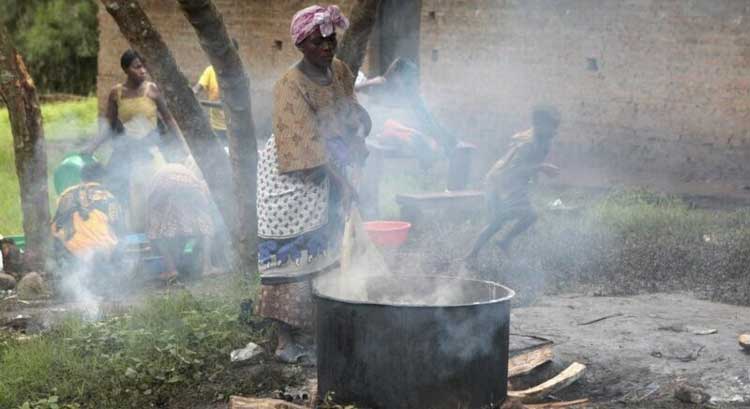
One billion Africans still rely on open fires or toxic fuels for cooking, posing a serious health and environmental crisis that is both solvable and urgent, the International Energy Agency (IEA) said in a new report released Friday.
Globally, around two billion people — mostly in low-income regions — still cook using wood, charcoal, animal dung, or agricultural waste. These traditional fuels produce indoor and outdoor air pollution that causes respiratory and cardiovascular illnesses, and are responsible for greenhouse gas emissions on par with the entire aviation industry, the report noted.
“This is one of the greatest injustices of our time,” IEA Executive Director Fatih Birol told AFP. In Africa, the crisis is particularly acute, with four out of five households depending on open fires or biomass burning to cook. The health toll is staggering — an estimated 815,000 premature deaths annually in Africa alone due to poor indoor air quality.
Women and children bear the brunt of the crisis, spending hours collecting firewood and maintaining fires — time that could otherwise go toward education or paid work. The environmental impact is equally severe, contributing to deforestation and the loss of natural carbon sinks vital for combating climate change.
Yet, the IEA stresses that this is a problem with known, affordable solutions. Clean cooking alternatives — including solar-powered electricity, renewable biogas, and liquefied petroleum gas (LPG) — can replace traditional fuels at a relatively modest cost. While LPG is a fossil fuel, Birol emphasized it is still far less harmful than the widespread destruction of forests for firewood.
A landmark summit convened by the IEA in Paris in May 2023 helped mobilize $2.2 billion in public and private commitments and secured pledges from 12 African governments. Since then, $470 million has been deployed, leading to tangible progress, including a stove manufacturing plant in Malawi and affordable stove distribution programs in Uganda and Ivory Coast.
The IEA’s latest report tracks these efforts one year on and lays out a roadmap for achieving universal access to clean cooking in Africa by 2040. The goal, the agency says, is well within reach with just $2 billion in annual investment — a mere 0.1% of total global energy spending.
If realized, this transition could save 4.7 million lives in sub-Saharan Africa by 2040 and slash carbon emissions by 540 million tons annually — equivalent to the entire global aviation sector’s yearly output. Birol concluded: “This is a challenge we know how to fix. Now we need the will to fix it — once and for all.”
Comments are closed.